Parents Reject Return of the Cane, Call for Stronger Guidance and Counselling in Schools
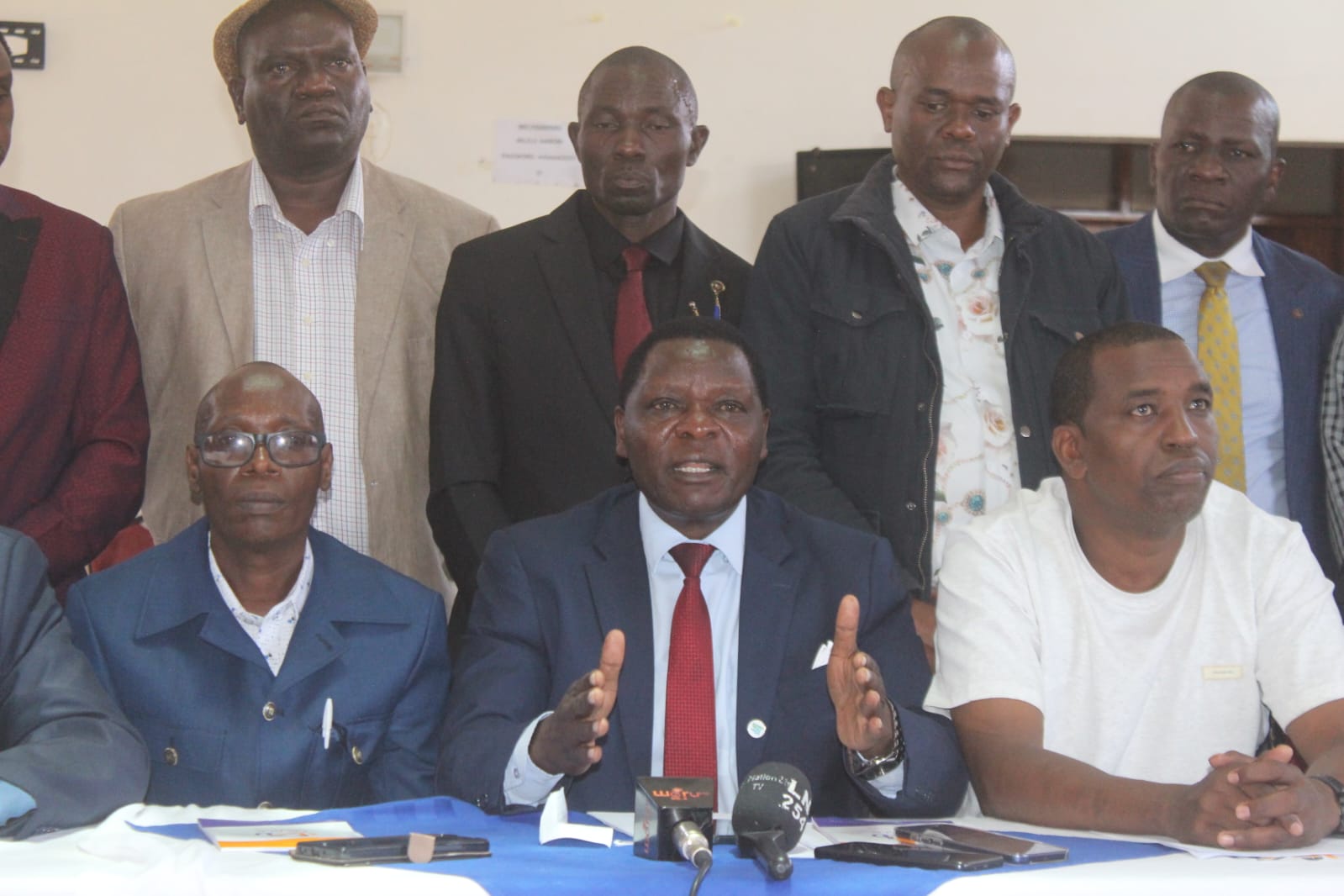
Mr. Silas Obuhatsa Chair NPA accompanied by Chairmen from across the country during the president.
NAIROBI, Kenya — October 3, 2026 — The National Parents Association (NPA) has called for stronger guidance and counselling, chaplaincy and pastoral-care systems in schools instead of reintroducing corporal punishment through the proposed Education Bill, 2026.
The Association said concerns over indiscipline, violence, substance abuse, school unrest and other behavioural challenges among learners are legitimate and require urgent action. However, it said the solution should focus on equipping teachers and schools with professional, effective and non-violent disciplinary tools.
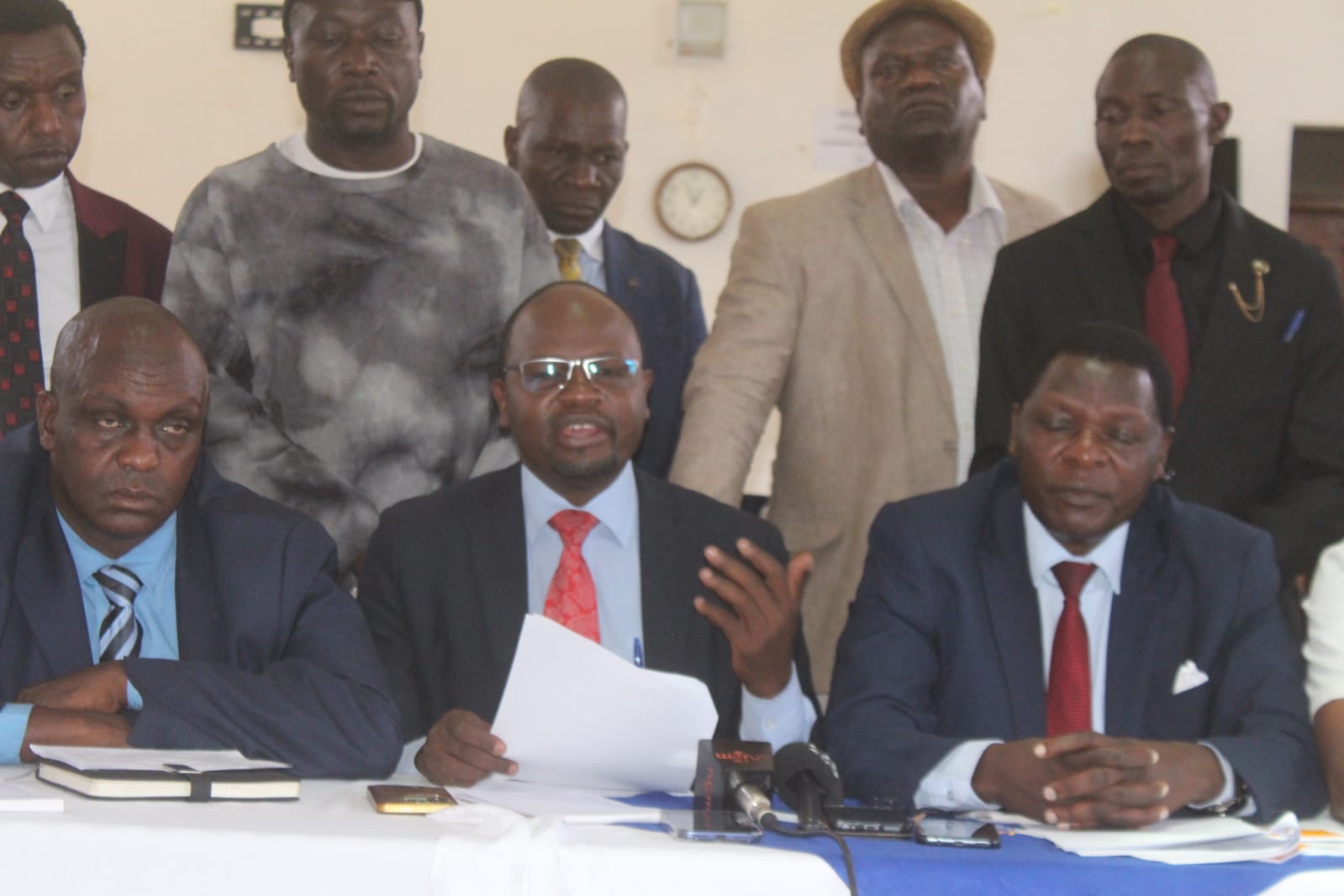
“Strengthen Discipline, Not Corporal Punishment”
The NPA noted that Kenya abolished corporal punishment in schools in 2001 and that subsequent constitutional and statutory protections have strengthened children’s rights against physical and degrading punishment.
The Association said the current debate should therefore focus on how schools can maintain firm and effective discipline while protecting the dignity and rights of learners.
“We need to support teachers with the right skills and institutional systems to deal with indiscipline. Reintroducing the cane should not be the answer when there are stronger professional approaches available,” the Association said.
Mandatory Guidance and Counselling Training
The NPA is calling for the Teachers Service Commission to ensure that teachers receive specialised and continuous training in guidance and counselling.
Such training should cover child and adolescent development, positive behaviour management, conflict resolution, restorative discipline, child protection, safeguarding, mental-health awareness, substance-abuse prevention and identification of learners facing trauma or family difficulties.
The Association said teachers should also be trained to refer learners requiring specialised professional support to appropriate services.
Strengthen Chaplaincy and Pastoral Care
The NPA is further urging Parliament to strengthen chaplaincy and pastoral-care services in basic learning institutions while ensuring that such services complement professional counselling, psychology, child-protection and medical services.
According to the Association, strengthened pastoral care can support learners dealing with grief, family challenges, conflict, substance abuse and other social and emotional difficulties.The Association also said chaplaincy and pastoral services can provide additional support to teachers dealing with increasingly complex behavioural challenges among learners.
A Comprehensive School Discipline System
The NPA is proposing a coordinated school discipline framework bringing together:
– Teachers and school administrators;
– Parents and guardians;
– Professional counsellors and psychologists;
– Chaplains and pastoral-care providers;
– Child-protection officers; and
– Other relevant professional services.
Such a system, the Association said, would help schools distinguish ordinary misconduct from behavioural challenges that may be linked to trauma, abuse, family difficulties, substance abuse or other underlying circumstances.
The National Parents Association is urging Parliament, the Ministry responsible for Education, the Teachers Service Commission, parents, teachers, religion organisations and child-protection stakeholders to use the 2026 education reforms to build a stronger and professional school discipline system.
The Association said teachers should not be placed in a position where they have to choose between doing nothing and using physical punishment.
Instead, it wants schools to have adequate training, counselling services, referral mechanisms, parental involvement and appropriate disciplinary procedures.
“Discipline must be strengthened, not abandoned. Teachers must be supported, not undermined. Children must be corrected, not subjected to violence,” the Association said.
The NPA maintains that Kenya can uphold firm and effective discipline in schools while respecting the constitutional rights, dignity and protection of every child.