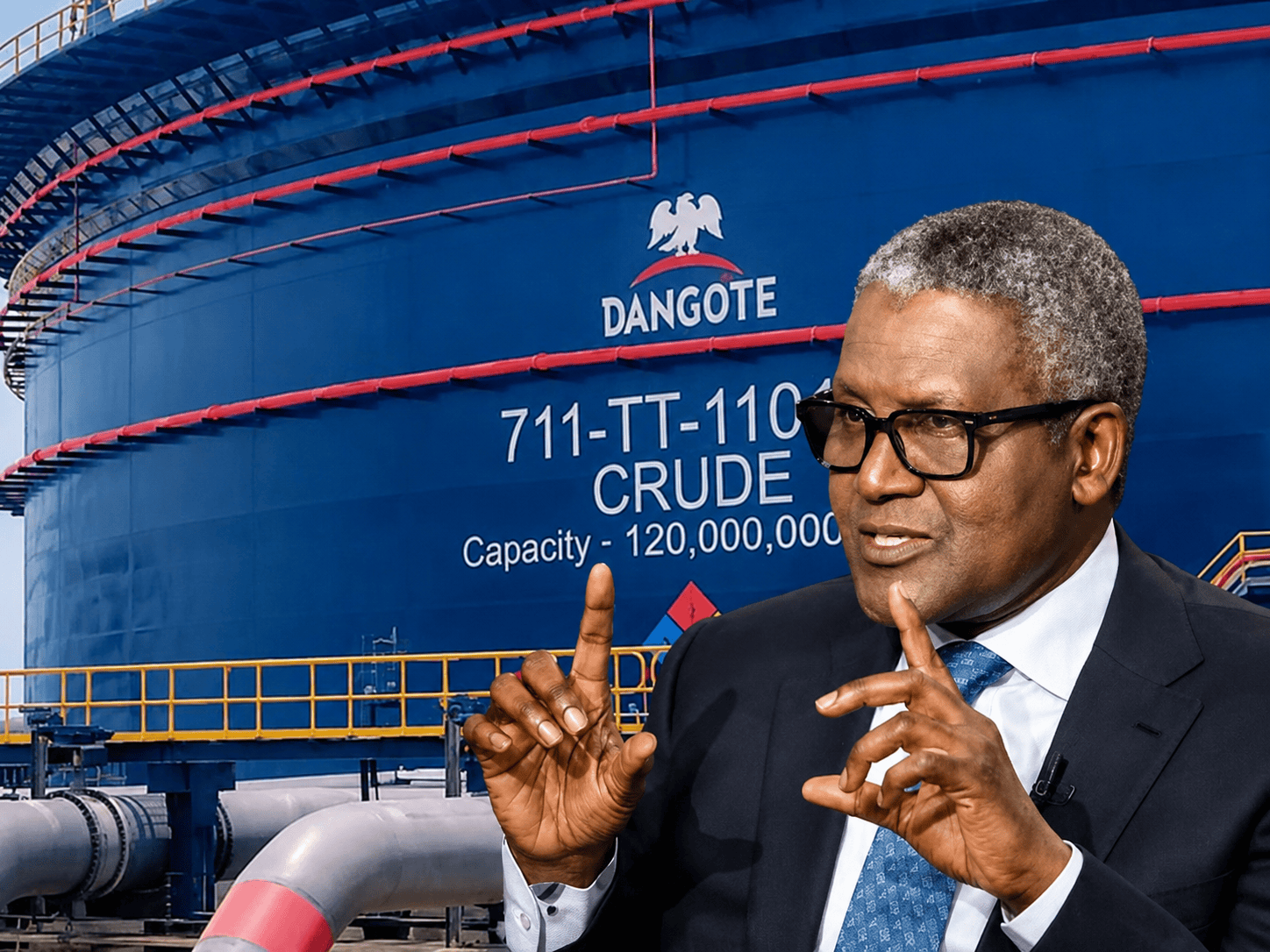
DANGOTE’S LAMU BET: WHY KENYA’S COAST HAS BECOME THE CENTRE OF A NEW AFRICAN OIL POWERHOUSE
NAIROBI, Kenya — September 28, 2026
By Jeff Kizzilah Digital Editor
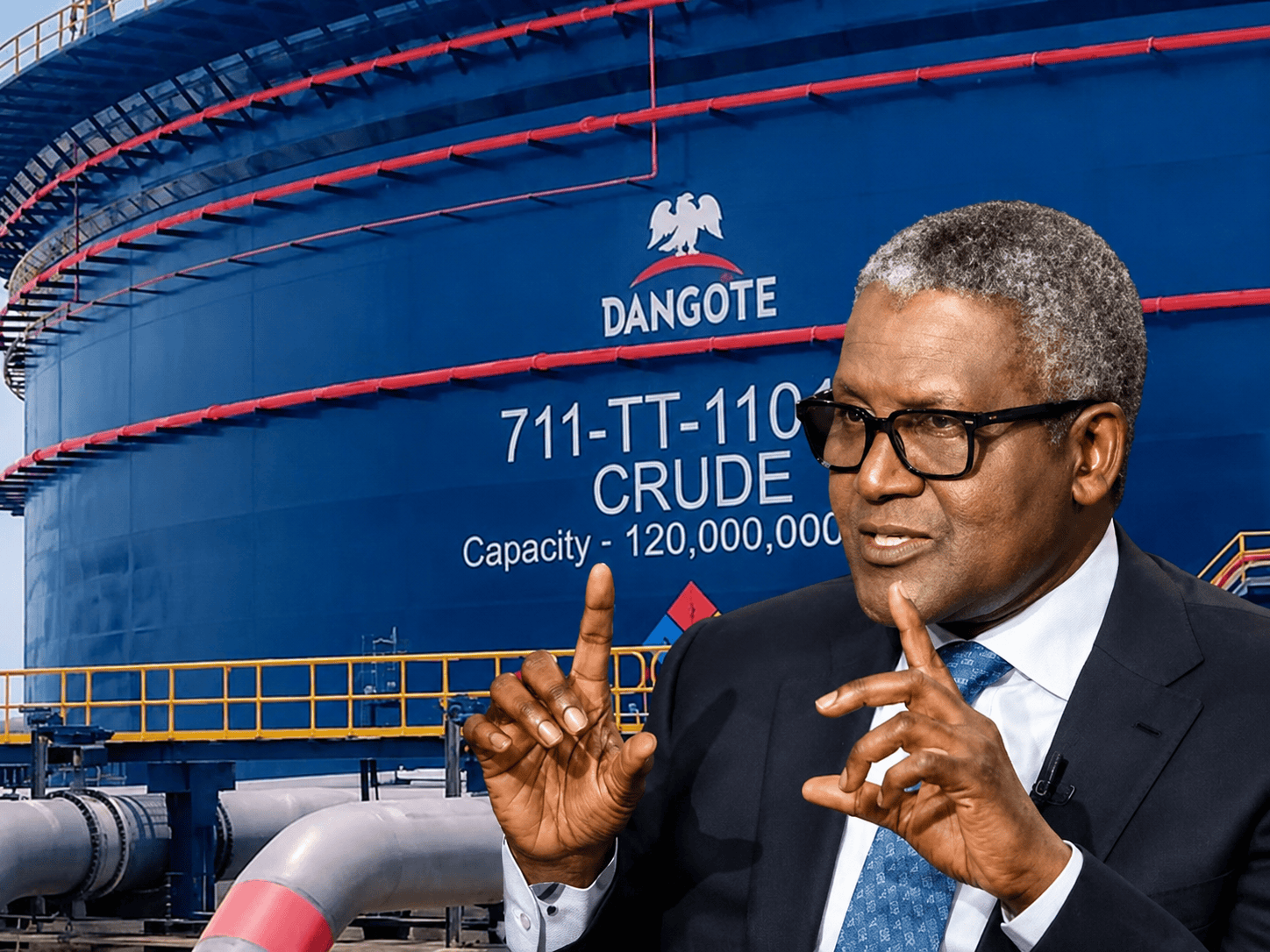
Nigerian industrialist Aliko Dangote is set to establish a major 700,000-barrel-per-day refinery and petrochemical complex in Lamu, in what could become one of the largest private-sector investments in Kenya and East Africa.
The decision to locate the refinery in Lamu follows consideration of other locations, including Tanzania’s Tanga. Dangote Industries has cited infrastructure, logistics and market considerations in choosing Kenya.
Why Lamu?
Lamu offers Dangote direct access to the Indian Ocean and Lamu Port, while positioning the refinery along the LAPSSET corridor, which connects Kenya with markets across East and Central Africa. The location could therefore allow refined petroleum products to reach Kenya, Uganda, Tanzania, Rwanda, Burundi, South Sudan, Ethiopia and the Democratic Republic of Congo.
The project also gives Dangote an opportunity to build an integrated industrial complex rather than simply a refinery. The planned development is expected to include petrochemical facilities and a major power-generation component.
Dangote recently said the Lamu complex could generate approximately 1,000 megawatts of electricity, with up to 500MW potentially supplied to the Kenyan government.
Ruto-Dangote Push
President William Ruto has emerged as a key government partner in advancing the project. In July, Ruto said he had reached an agreement with Dangote to proceed with the Lamu refinery and described it as a regional facility rather than a project serving Kenya alone.
The partnership has since moved rapidly, with the Kenyan government saying it has secured land and is working to remove administrative bottlenecks.
Ruto also toured Dangote’s existing refinery in Lagos on September 25, 2026, ahead of the planned September 30 groundbreaking in Lamu. Dangote used the visit to demonstrate the scale and technology behind his Nigerian refinery.
Beyond Fuel
For Dangote, the Lamu project is also an entry point into a broader East African industrial market.
The refinery is expected to reduce reliance on imported refined petroleum products while creating opportunities for petrochemicals, manufacturing, logistics, engineering and other industries around Lamu.
Dangote has described the refinery as a “gate” for additional investments, arguing that other businesses could follow once the industrial infrastructure is established.
The project could also potentially connect with Kenya’s domestic crude-oil ambitions, including discussions around transporting Turkana crude towards the coast, although such infrastructure remains a separate development from the refinery project.
A New East African Energy Hub?
With a planned capacity of 700,000 barrels per day, the proposed Lamu refinery would be larger than the original design capacity of Dangote’s Nigerian refinery and is intended to serve a much wider regional market.
For Kenya, the investment could strengthen Lamu’s position as an energy and logistics hub. For Dangote, it represents a major expansion of his refining business beyond Nigeria and a strategic foothold in East Africa.
The central question now is not simply why Dangote chose Lamu — but how far the refinery can transform Kenya’s coast into a regional centre for oil, energy, petrochemicals and industrial investment.
LiveNation254 Media
Informing Without Inflaming