By News Desk
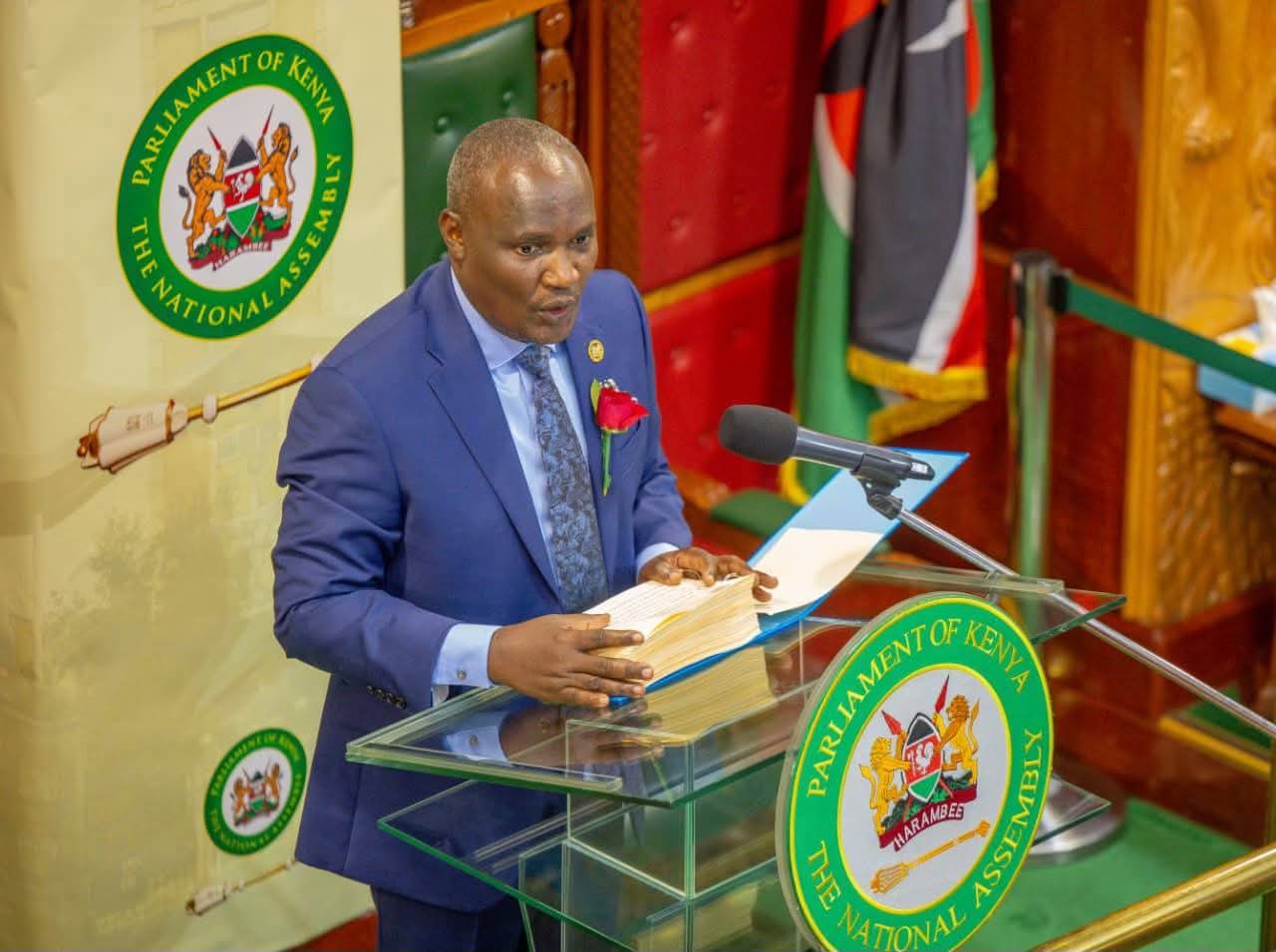
The presentation of the 2026/2027 Budget Statement by Treasury Cabinet Secretary John Mbadi marked a historic moment in Kenya’s parliamentary and political landscape, becoming one of the few budget readings conducted without significant interruptions, protests, or opposition resistance.
Unlike previous years where budget presentations were often characterized by political tensions, heckling, and sharp disagreements over taxation measures, the 2026/2027 Budget Statement was received in a relatively calm atmosphere, reflecting growing national consensus on the need to prioritize economic recovery, job creation, and improved service delivery.
The budget outlines the Government’s commitment to accelerating economic growth, creating employment opportunities for millions of young Kenyans, strengthening public services, and building a more resilient and inclusive economy. Key sectors including education, healthcare, infrastructure, agriculture, and social protection received significant attention in the spending plan.
Political analysts attribute the calm reception of the budget to several factors. First, the Government avoided introducing highly controversial tax measures that had previously triggered public opposition and political confrontations. Secondly, extensive consultations between the National Treasury, Members of Parliament, business groups, and other stakeholders helped build consensus before the budget was tabled.
The appointment of John Mbadi, a former Opposition leader and seasoned parliamentarian, as Treasury Cabinet Secretary has also contributed to greater confidence across the political divide. His deep understanding of parliamentary processes and opposition concerns enabled him to present a budget that resonated with a broader section of political leaders.
Observers note that many of the budget’s priorities—including reducing the cost of living, supporting businesses, expanding employment opportunities, and improving public service delivery—are issues that enjoy support across both Government and Opposition ranks, reducing the likelihood of political confrontation.
The peaceful presentation of the budget demonstrates Kenya’s growing political maturity and the ability of leaders to place national interests above partisan differences when addressing critical economic challenges facing the country.
As the country moves toward implementation of the 2026/2027 Budget, attention will now shift to ensuring that the allocated resources translate into tangible benefits for citizens through improved livelihoods, expanded opportunities, and accelerated economic transformation.