
Vice Chancellor Prof Isaiah Wakindiki Leads International Physical Activity Symposium and Launch of National Guideline
By Jeff Kizzilah Digital Editor
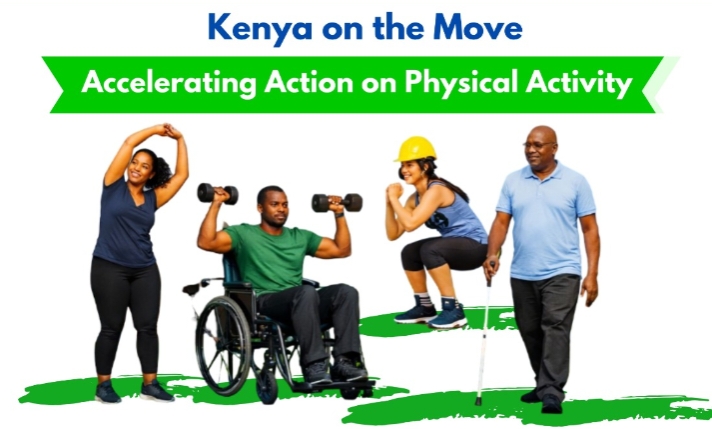
KCA University has hosted Kenya’s first International Symposium on Physical Activity, bringing together policymakers, researchers, health experts, educators, and development partners for the launch of the National Physical Activity Guidelines aimed at fostering a healthier and more active society.
Speaking during the landmark event, KCA University Vice Chancellor Prof. Isaiah Wakindiki described the symposium as a significant milestone in Kenya’s journey towards improving public health and promoting active lifestyles across all sectors of society.
Prof. Wakindiki noted that the launch of the National Physical Activity Guidelines represents a powerful convergence of policy, scientific research, and community action, providing a comprehensive framework for addressing the growing public health challenges associated with physical inactivity.
“This is a historic milestone that demonstrates the power of collaboration in advancing public health and contributing to Kenya’s social and economic development,” said Prof. Wakindiki.
The symposium attracted leading experts from the health, education, sports, and research sectors who shared evidence-based strategies and best practices for encouraging physical activity among Kenyans of all ages.
Prof. Wakindiki commended the Ministry of Health, UNESCO, academic institutions, and development partners for their support in making the initiative a success, emphasizing the importance of multi-sectoral partnerships in driving sustainable health outcomes.
During the event, KCA University showcased several innovative community programmes designed to promote physical activity, particularly among children and young people. Among the initiatives highlighted was the university’s flagship “My Body in Motion” programme, which targets children from densely populated urban communities where access to recreational facilities and safe exercise spaces is often limited.
Through the programme, children are invited to the university during school holidays to participate in structured sports, wellness, and physical education activities. The initiative currently benefits more than 500 children annually and seeks to instill healthy habits from an early age.
The university also highlighted the remarkable growth of its cycling programme, which has expanded significantly over the last three years. What began as a local initiative has evolved into a regional activity, with this year’s cycling routes expected to extend into neighboring Tanzania, further promoting fitness, community engagement, and regional integration.
University officials emphasized that physical activity is not only essential for improving health outcomes but also plays a critical role in enhancing productivity, mental wellbeing, and economic development.
They called upon government agencies, educational institutions, private sector organizations, and communities to work together in implementing the National Physical Activity Guidelines and creating environments that encourage active living.
The newly launched guidelines are expected to serve as a national roadmap for integrating physical activity into daily life across schools, workplaces, and communities, helping Kenya tackle the growing burden of non-communicable diseases while promoting overall national wellbeing and sustainable development. :::