By Jeff Kizzilah Digital Editor
The reading of the People’s CS Treasury Budget 2026 has marked a historic turning point in Kenya’s democratic governance, showcasing the power of meaningful public participation in shaping the nation’s fiscal future.
For the first time, a citizen-led, cost-efficient budget-making process has successfully delivered a comprehensive alternative fiscal framework, demonstrating that public participation is far more than a constitutional requirement—it is a practical mechanism for promoting transparency, accountability, and responsible economic management.
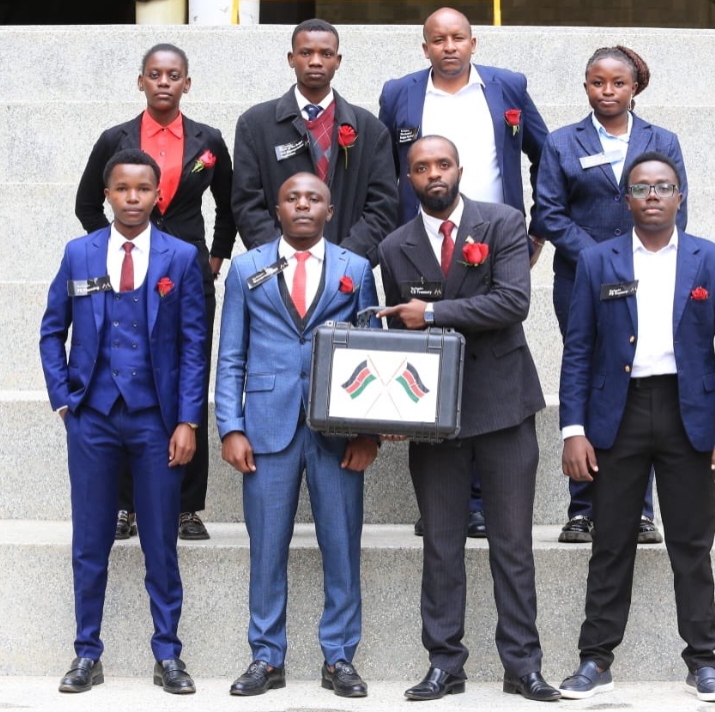
The People’s Budget initiative brought together citizens, experts, and community stakeholders who analyzed government spending priorities, deliberated on key economic issues, and developed alternative proposals aimed at addressing the real needs of ordinary Kenyans.
“This process proves that when citizens are equipped with the right tools and information, they can actively contribute to national decision-making and present credible, evidence-based alternatives that reflect the priorities of the people,” the organizers noted.
A key concern raised during the presentation was the government’s projected revenue collection for the 2026 financial year. According to the People’s Budget team, the government’s fiscal projections are based on an inflated nominal Gross Domestic Product (GDP) estimate of KSh 20.817 trillion.
However, data contained in the 2026 Economic Survey presents a different picture. The citizen-led analysis estimates that Kenya’s realistic GDP should not exceed KSh 18.918 trillion, creating a significant discrepancy in the government’s revenue assumptions.
The team argues that by overstating the GDP base, the government has consequently inflated its ordinary revenue target by approximately KSh 190.7 billion, raising concerns about the credibility and sustainability of the proposed budget framework.
Analysts behind the People’s Budget warned that unrealistic revenue projections could lead to increased borrowing, supplementary budgets, and higher taxation pressures on citizens if collection targets fail to materialize.
The People’s Budget 2026 stands as a landmark example of participatory governance, offering an alternative vision for fiscal planning grounded in transparency, evidence, and citizen engagement.
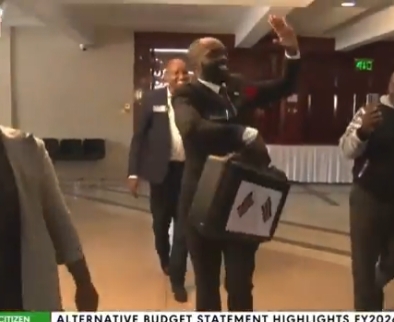
Members of the public who missed the live proceedings can now access the full budget reading and detailed submissions to examine how this historic milestone unfolded and to better understand the alternative proposals presented by citizens.