Kenya Turns to Vaccines in Fight Against Drug-Resistant Infections as New Report Highlights Life-Saving Impact
By Jeff Kizzilah/Digital Editor
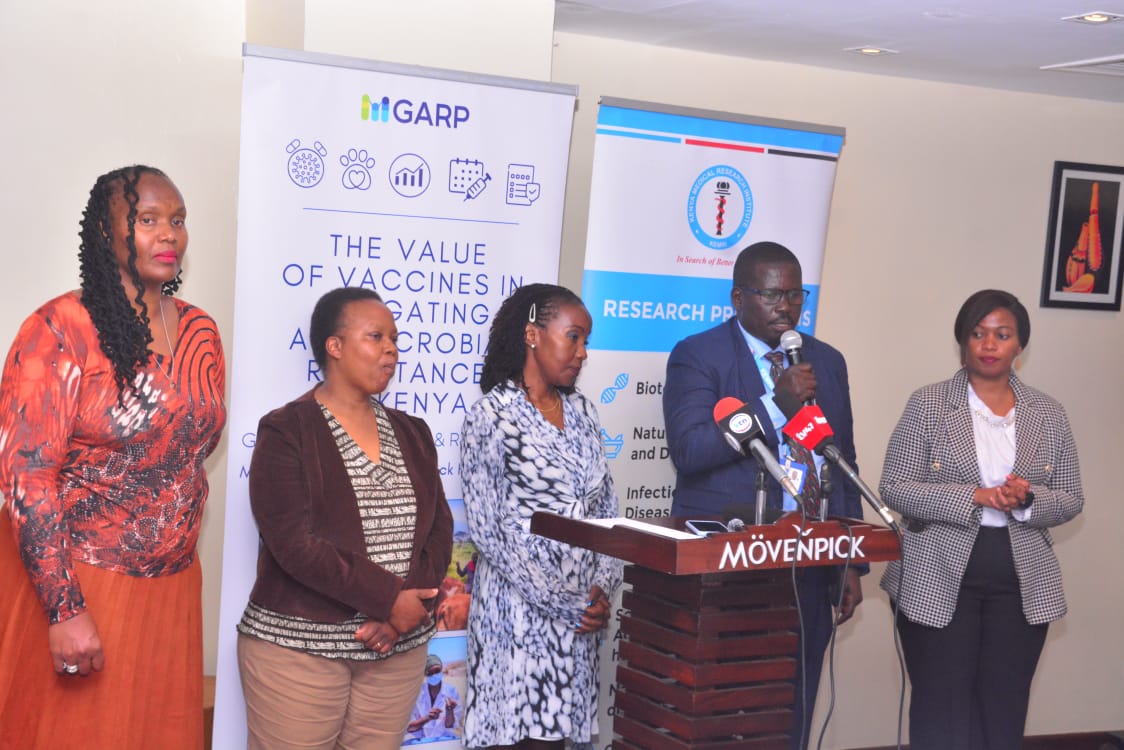
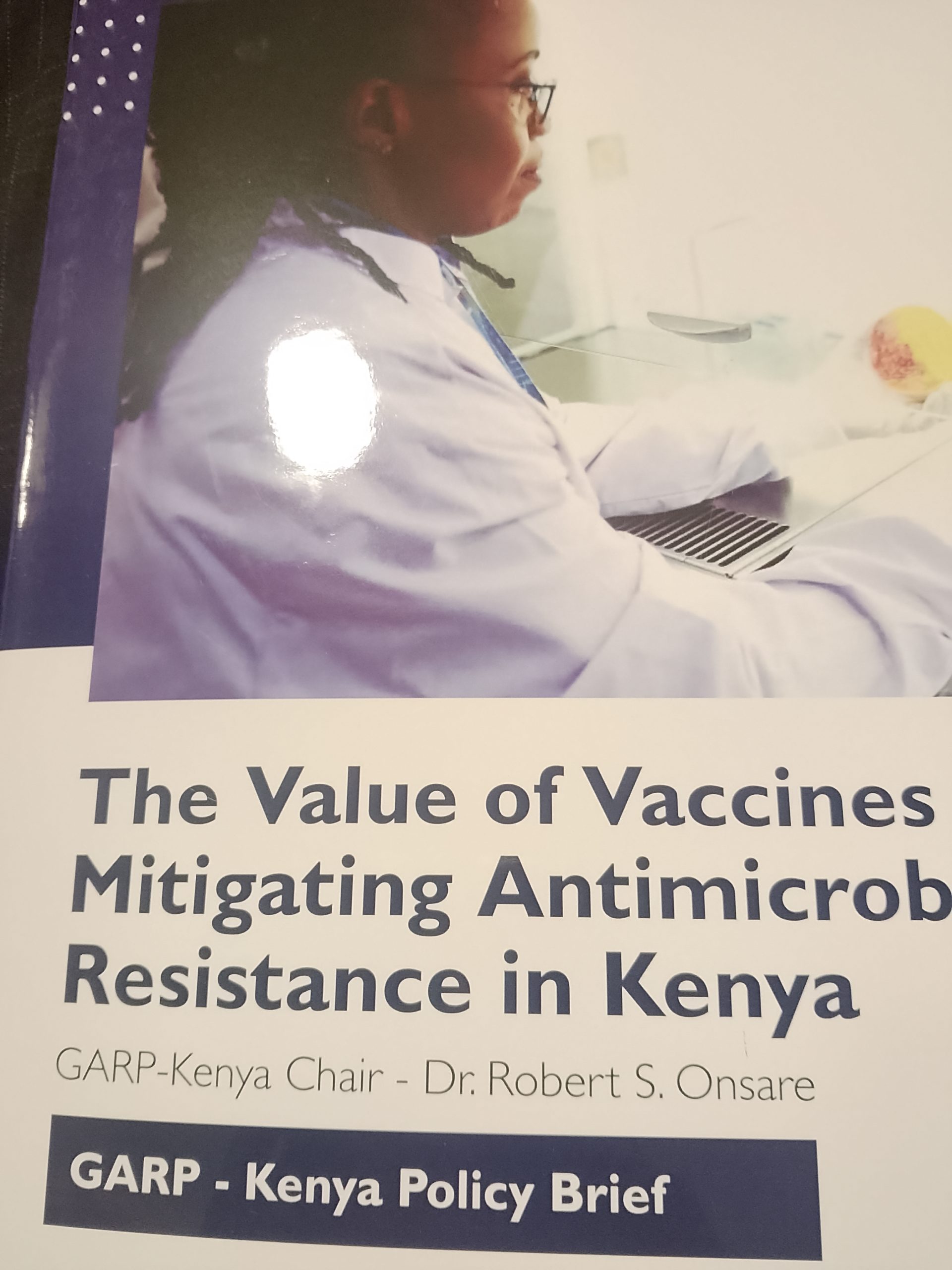
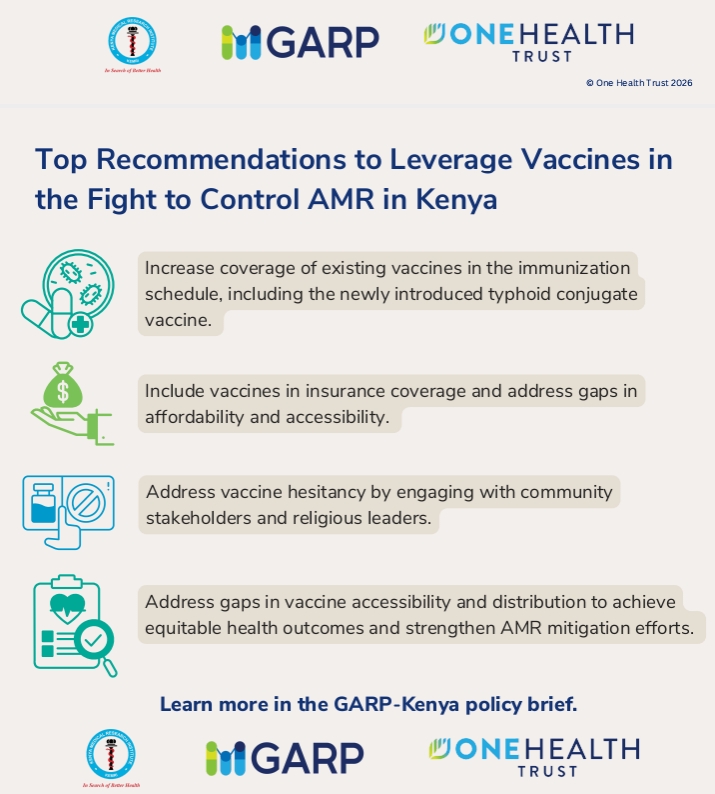
Kenya is stepping up its fight against the growing threat of drug-resistant infections by prioritizing vaccines as a key line of defense, following the launch of a new policy brief and report titled “The Value of Vaccines to Address Antimicrobial Resistance in Kenya.”
 The report, developed by the Global Antibiotic Resistance Partnership (GARP) Technical Working Group in collaboration with the Kenya Medical Research Institute (KEMRI) and the One Health Trust, underscores the critical role vaccines can play in slowing antimicrobial resistance (AMR).
Antimicrobial resistance—commonly known as antibiotic resistance—occurs when bacteria, viruses, fungi, and parasites evolve over time and stop responding to medicines designed to treat them. This makes infections harder to treat, increases the risk of disease spread, severe illness, and death, and threatens decades of medical progress.
Globally, bacterial AMR was linked to over one million deaths in 2019, with overuse and misuse of antibiotics in human health and agriculture identified as key drivers.
The new findings highlight vaccines as a powerful but underutilized solution.
By preventing infections before they occur, vaccines reduce the need for antibiotics, thereby limiting the emergence and spread of resistant microbes. This not only saves lives but also reduces healthcare costs and eases pressure on already strained health systems.
Kenya’s own success stories reinforce this approach. The introduction of the pneumococcal conjugate vaccine has led to a significant decline in infections caused by penicillin-resistant strains, with cases of invasive pneumococcal disease dropping by more than 90 percent among children under five.
Similarly, the rollout of the malaria vaccine has reduced malaria cases by more than a third among young children in some regions. The recently introduced typhoid conjugate vaccine is also expected to significantly cut cases of drug-resistant typhoid, particularly among children aged 9 months to 15 years.
Health experts are now calling for expanded vaccine access, increased public awareness, and stronger immunization programs to combat AMR more effectively.
They emphasize that scaling up vaccine deployment is not only a public health priority but also a strategic investment in safeguarding the future effectiveness of life-saving medicines.
As Kenya confronts the rising tide of antimicrobial resistance, the message from experts is clear: prevention through vaccination may be the country’s most powerful weapon in preserving global health gains.