YOUTH DECLARE: “THIS IS OUR SPACE, THIS IS OUR KENYA” AS NCCK CONVENING DEMANDS GREATER ROLE IN GOVERNANCE, TECHNOLOGY AND ECONOMIC OPPORTUNITY
By Jeff Kizzilah Digital Editor
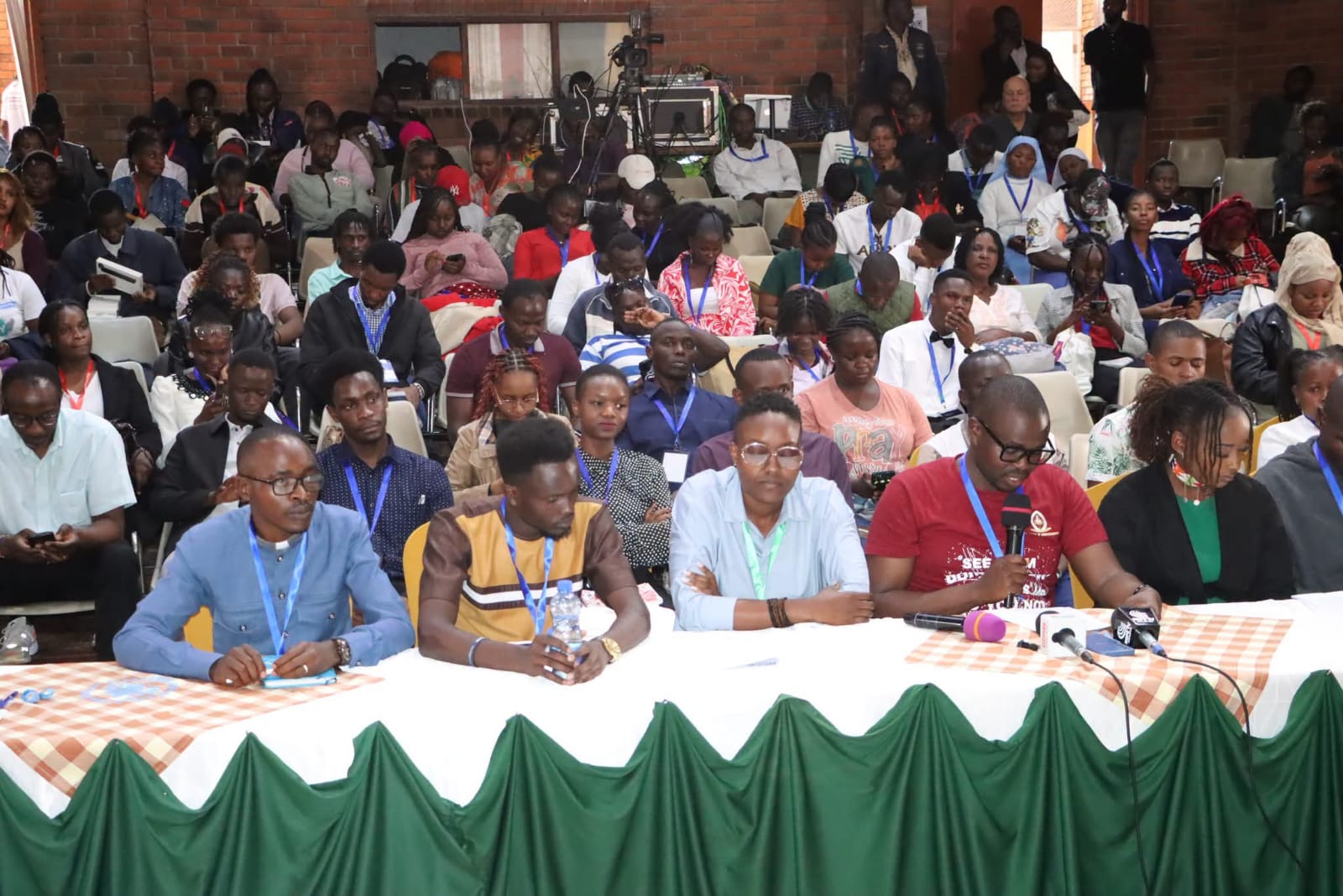
Young people and stakeholders at the 4th National Youth Convening, held under the theme “Claiming Spaces and Shaping Kenya,” have called for greater youth participation in governance, entrepreneurship, technology, innovation and national decision-making.
According to Rev. Canon Chris Kinyanjui, General Secretary of the National Council of Churches of Kenya (NCCK), the convening brought together young people to reflect on the Kenya they want and the role they must play in shaping the country’s present and future.
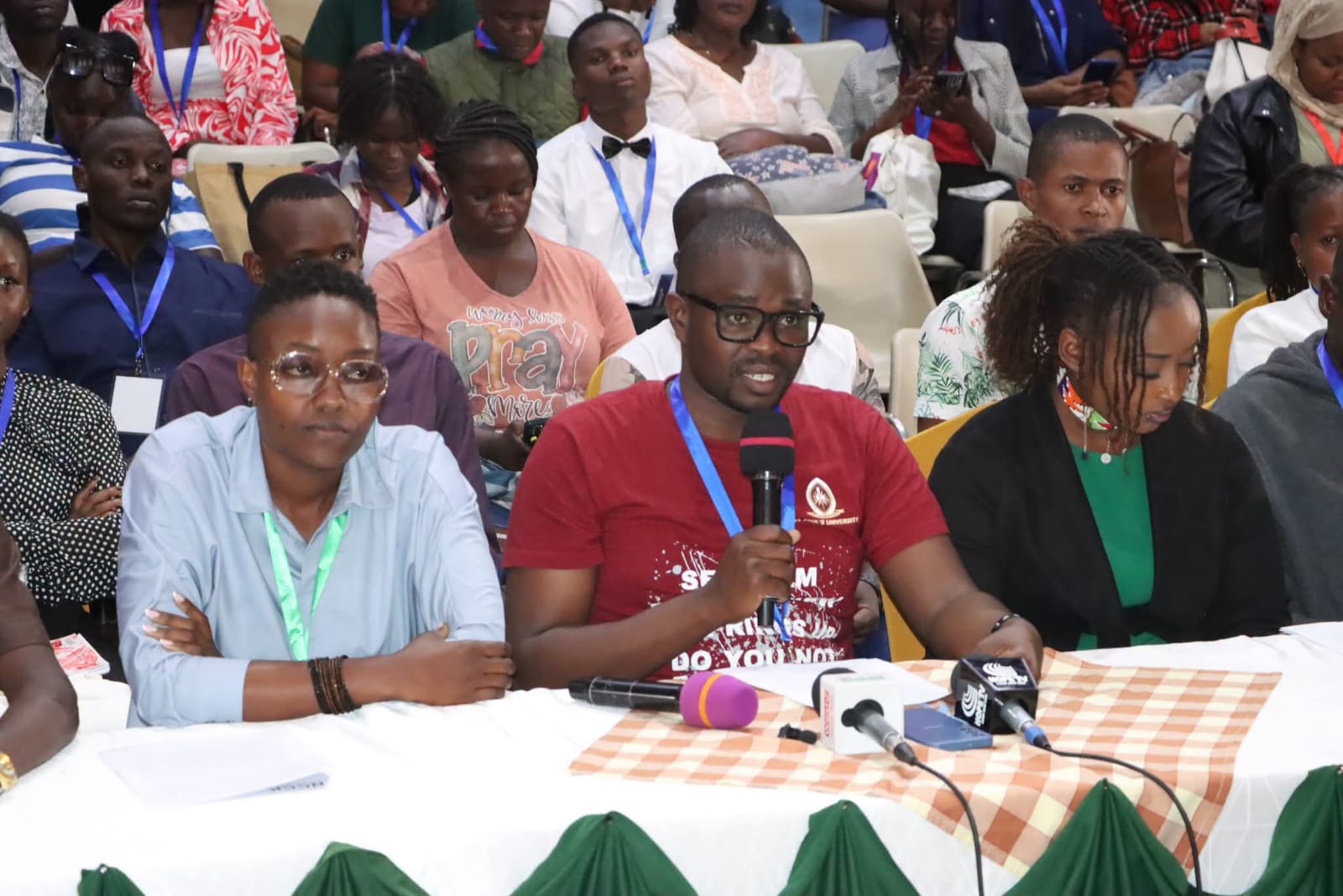
The participants said young people should not be viewed merely as beneficiaries of government programmes or as a population mobilised during elections, but as citizens, innovators, entrepreneurs, creators and leaders with a stake in national development.
Youth demand continuous participation in governance
The communiqué calls for a governance system that is inclusive, accountable, transparent, responsive and citizen-centred, with meaningful youth participation from the grassroots to the national level.
The youth called for participation beyond voting, including involvement in policy development, public participation, leadership, oversight and accountability processes.
As Kenya approaches another electoral cycle, the convening also called for peaceful, informed and issue-based political participation, while rejecting misinformation, disinformation, political manipulation and ethnic mobilisation.
The participants urged young people to verify information and engage responsibly before, during and after elections.
Technology and AI seen as opportunities — but with risks
The communiqué identifies technology as a critical space for young people, highlighting the growing use of digital platforms, social media, digital payments and artificial intelligence for entrepreneurship, employment, learning, creativity and civic participation.
However, the youth noted that access to technology does not automatically translate into opportunity.
They highlighted barriers including expensive devices and internet access, unreliable electricity, limited digital skills, inadequate mentorship, lack of capital and limited access to markets and networks.
On artificial intelligence, the youth welcomed its potential while raising concerns around data privacy, digital safety, misinformation, AI-generated content, child protection and over-reliance on technology.
From “hustle” to sustainable enterprises
The convening also challenged stakeholders to help young people move beyond survival-driven hustles towards sustainable businesses and innovations capable of creating employment and long-term economic value.
The communiqué highlighted challenges facing young enterprises, including cash flow, taxation, licensing, registration, competition, record keeping, access to capital, mentorship and markets.
Young creatives were also urged to understand and protect their intellectual property while benefiting from the economic value of their work.
Mental health and dignified livelihoods
The youth further highlighted the pressure created by unemployment, rising living costs, financial difficulties, repeated rejection, social expectations and an evolving labour market.
They called for stronger support systems, safe spaces for conversation, appropriate professional care and livelihood programmes that consider the whole person, rather than focusing only on technical skills.
A call for investment in young people
The communiqué calls on government, private sector, civil society, faith institutions and development partners to move beyond discussions about youth potential and invest in systems that can help young people realise that potential.
The participants called for greater access to skills development, affordable digital infrastructure, financing, mentorship, networks, markets and practical opportunities.
They also emphasised the importance of intergenerational collaboration, combining the experience of older generations with the energy, creativity and innovation of young people.
The convening concluded with a declaration:
“Claiming spaces means more than occupying them. It means using them to create value, solve problems and influence the future.”
The youth affirmed: “This is our space. This is our responsibility. This is our Kenya. We will claim our spaces. We will use them responsibly. And together, we will shape Kenya.”