By Jeff Kizzilah Digital Editor
The Inter-Religious Council of Kenya (IRCK) has officially opened the National Interfaith Preventing and Countering Violent Extremism (P/CVE) Convention in Nairobi, bringing together faith leaders, government institutions, civil society organizations, youth representatives, and international development partners for a two-day national dialogue aimed at strengthening Kenya’s resilience against violent extremism.
The Convention, themed “Strengthening Interfaith Governance for a Resilient, Inclusive, and Gender-Responsive P/CVE in Kenya,” seeks to foster collaboration, share best practices, and develop sustainable strategies to address the root causes of radicalization and violent extremism across the country.
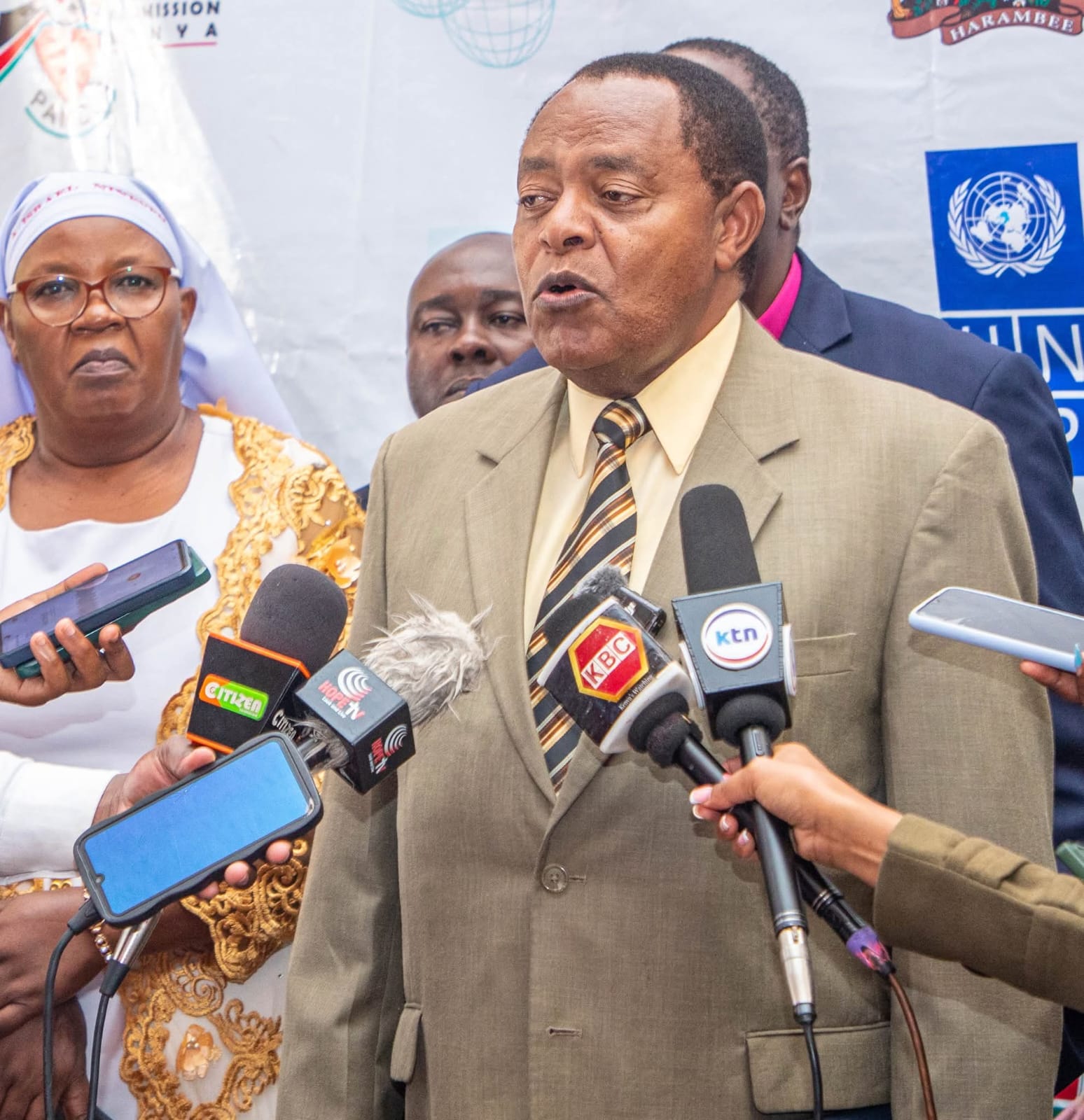
Speaking during the opening session, IRCK Executive Director Mr. Linus Nthigai emphasized the critical role faith leaders play in promoting peace, social cohesion, and community resilience.
“Faith leaders are uniquely positioned to prevent violent extremism because of the trust they enjoy within communities. Our work in Kilifi, Kisumu, and Marsabit, supported by UNDP Kenya and KOICA Korea, has demonstrated that lasting peace can only be achieved when faith leaders, government institutions, and communities work together,” said Mr. Nthigai.
IRCK Head of Programmes Mr. Rolex Mwamba highlighted one of the key anticipated outcomes of the Convention—the establishment of an Interfaith and Ideological Working Group on Gender and P/CVE.
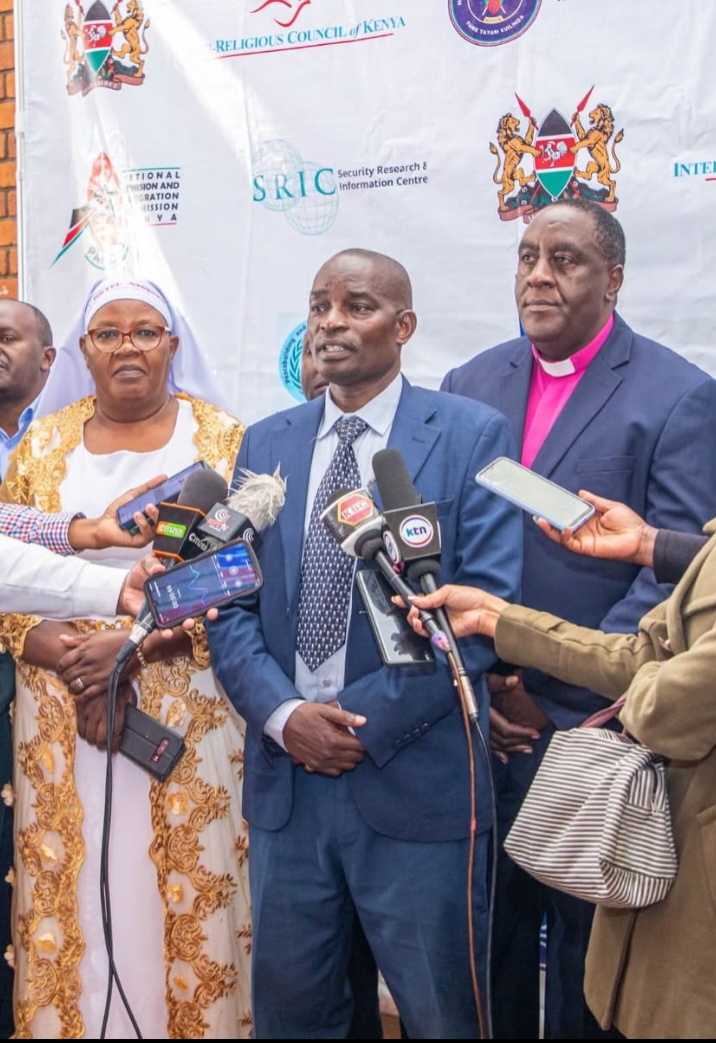
“The proposed working group will strengthen coordination among stakeholders and ensure that women, youth, and other marginalized voices are meaningfully included in the national conversation on preventing and countering violent extremism,” he noted.
Kenya Interfaith Youth Network Chairman Mr. Ambrose Kilonzo underscored the importance of leveraging lessons learned from grassroots interventions to inform national policy.
“The experiences gathered from communities across the country provide valuable evidence on what works and what does not in P/CVE programming. These insights are essential for shaping effective and sustainable policy responses,” said Kilonzo.
Participants at the Convention are expected to deliberate on governance frameworks, community engagement approaches, gender-responsive programming, and strategies for enhancing interfaith collaboration in the fight against violent extremism.
The Convention continues on Tuesday with the formal adoption of interfaith forums’ Terms of Reference and the unveiling of an implementation roadmap aimed at strengthening interfaith governance and coordinated action in P/CVE efforts nationwide.
The gathering reaffirms Kenya’s commitment to building peaceful, inclusive, and resilient communities through dialogue, partnership, and collective action.