By Correspondent
Why the U.S. Wants an Ebola Quarantine Facility in Kenya — Benefits, Risks, and Questions Raised by Kenyans
Nairobi, Kenya – The proposed establishment of a United States-supported Ebola quarantine facility in Kenya has sparked intense public debate, with many Kenyans expressing concern over the safety, transparency, and long-term implications of the arrangement.
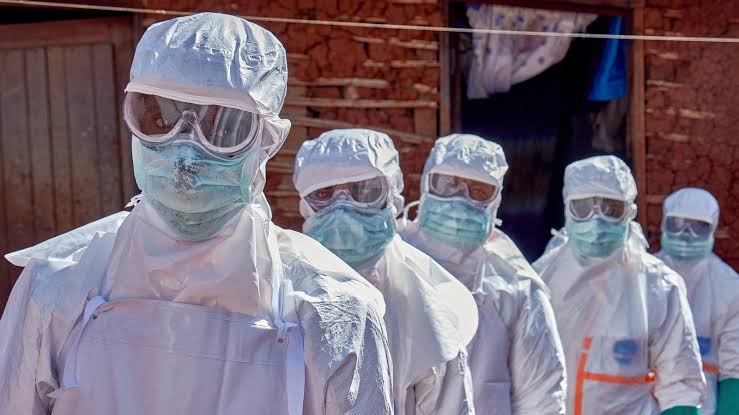
According to reports, the facility was intended to accommodate individuals, particularly U.S. citizens, who may have been exposed to Ebola during the ongoing outbreak in the Democratic Republic of Congo and neighboring countries. The U.S. government says the objective is to provide a secure location for monitoring and quarantine closer to the outbreak region while preventing the spread of the disease internationally.
The United States has also pledged funding toward strengthening Kenya’s Ebola preparedness systems, including emergency response capabilities, disease surveillance, medical supplies, and health infrastructure. Reports indicate that approximately $13.5 million (about KSh1.7 billion) has been earmarked to support preparedness efforts.
Potential Benefits to Kenya
Health experts note that if implemented under strict international standards, the arrangement could offer several advantages to Kenya:
- Enhanced disease surveillance and early-warning systems.
- Improved laboratory and diagnostic capacity.
- Additional investment in emergency health infrastructure.
- Specialized training for Kenyan healthcare workers.
- Strengthened preparedness against future outbreaks of Ebola and other infectious diseases.
- Increased collaboration with international public health agencies.
Safety Standards Required
For such a facility to operate safely, international health protocols require:
- Strict quarantine and isolation procedures.
- Highly trained medical personnel.
- Continuous monitoring and screening systems.
- Secure waste management and decontamination processes.
- Emergency response plans in case of suspected infections.
- Independent oversight and public transparency.
Health authorities maintain that properly managed quarantine facilities are designed to prevent, rather than spread, infectious diseases.
Concerns Raised by Kenyans
Despite these potential benefits, many Kenyans, medical professionals, and civil society organizations have voiced concerns. Critics argue that the public was not adequately consulted and question whether Kenya possesses sufficient high-containment infrastructure to safely host such a facility. Others fear that the country could be exposed to unnecessary health risks while serving foreign interests. These concerns led to legal challenges, and the High Court temporarily suspended the project pending further hearings.
Public demonstrations have also been reported in Laikipia County, where residents expressed fears about possible exposure to the virus and demanded greater transparency from both the Kenyan and U.S. governments.
Conclusion
The debate over the proposed Ebola quarantine facility highlights the delicate balance between international health cooperation and national public confidence. While supporters point to improved preparedness, investment, and disease-control capabilities, critics insist that public participation, transparency, and robust safety guarantees must come first.
As court proceedings continue, Kenyans are demanding clear answers regarding the scope of the agreement, the safety measures involved, and the potential impact on the country’s public health system.