By Jeff Kizzilah/ Digital Editor
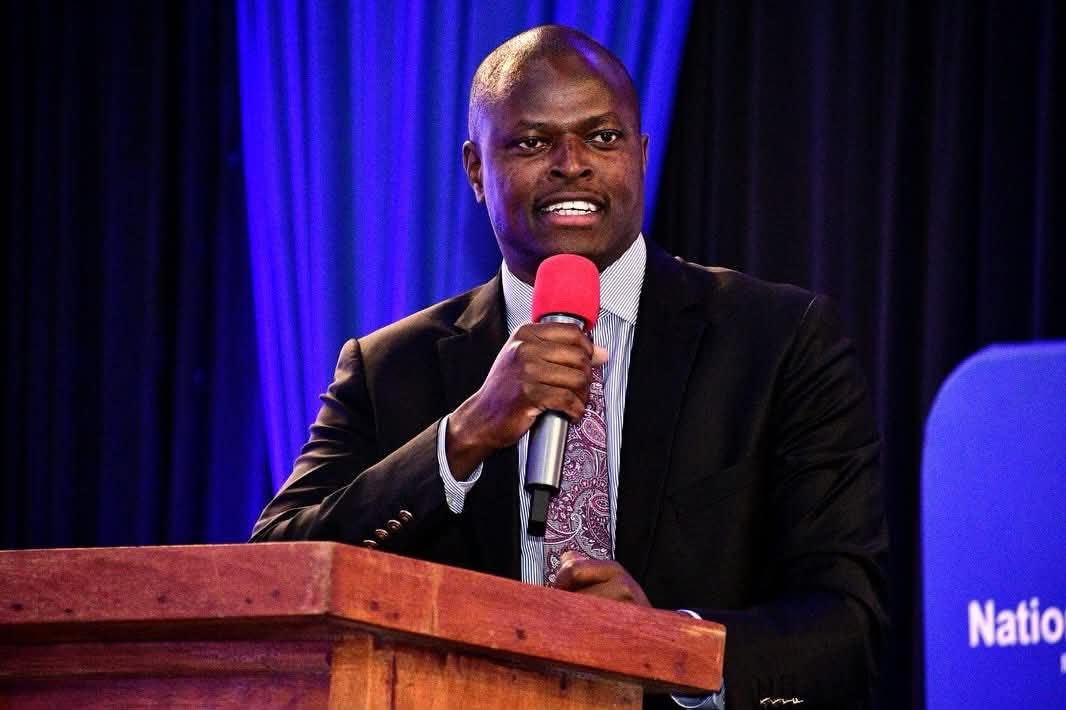
Kiharu MP has tabled sweeping proposals before the Departmental Committee on Finance and National Planning aimed at cushioning Kenyans from the escalating cost of living driven by rising fuel prices.
The lawmaker called for urgent short-term fiscal interventions to prevent the current fuel crisis from causing long-lasting economic damage, warning that temporary shocks could permanently raise the cost of goods and services across the country.
Speaking before the Committee, Hon. Nyoro noted that although the ongoing Middle East conflict disrupting global fuel supply chains may be temporary, the economic consequences on Kenyan households and businesses could linger for years if immediate action is not taken.
“The current disruption in fuel prices is not likely to take long, however the policy decisions taken now are likely to have long-term implications on the economy. The trade-off is between what we may spend now and what the economy may lose in the medium to long term,” Hon. Nyoro stated.
He further warned that once commodity prices and transport fares rise, they rarely return to previous levels even after fuel prices stabilize.
Basing his projections on Kenya’s monthly consumption of approximately 240 million litres of diesel and 185 million litres of super petrol, the Kiharu legislator proposed a combination of tax reliefs, subsidy injections, and reduced marketer margins to significantly lower pump prices.
According to his proposal, the retail price of super petrol could drop from Ksh 214.25 to Ksh 187.38 per litre, while diesel could reduce from Ksh 232.92 to Ksh 189.16 per litre.
Among the key interventions proposed by Hon. Nyoro include reducing oil marketers’ margins by Ksh 4 per litre — a move he argued would not require any government expenditure — as well as injecting an additional Ksh 3.45 billion diesel subsidy through the Fuel Stabilization Fund.
He said the diesel subsidy alone would lower prices by approximately Ksh 14.75 per litre and could be sustainably financed using the existing fuel stabilization reserves.
The MP also proposed reducing Value Added Tax (VAT) on fuel products by 8 percent and reclassifying fuel as VAT exempt in a bid to further stabilize prices.
However, Finance Committee Chairperson opposed parts of the proposal, cautioning that exempting fuel from VAT could backfire and ultimately increase pump prices.
“Oil marketers would not be eligible to claim input taxes under exempt status, and the additional costs would likely be transferred to consumers,” Hon. Kimani observed.
The Committee Chair also rejected calls to remove the Ksh 7 Road Maintenance Levy Fund (RMLF) charge, arguing that the levy remains critical in financing rural road construction and maintenance projects nationwide.
Despite the disagreements, Hon. Kimani encouraged Hon. Nyoro to formally table the proposals during debate on the Finance Bill in Parliament and rally fellow MPs behind the measures.
The proposed interventions are estimated to have a fiscal impact of approximately Ksh 9.83 billion per month.
The debate now sets the stage for a heated parliamentary showdown over how best to shield Kenyans from the mounting economic pressure while balancing the country’s fiscal sustainability.