By Corporate Desk
Yet another long weekend is upon us, and in typical Kenyan fashion, we are getting ready to indulge in our favourite drinks to while away the weekend.
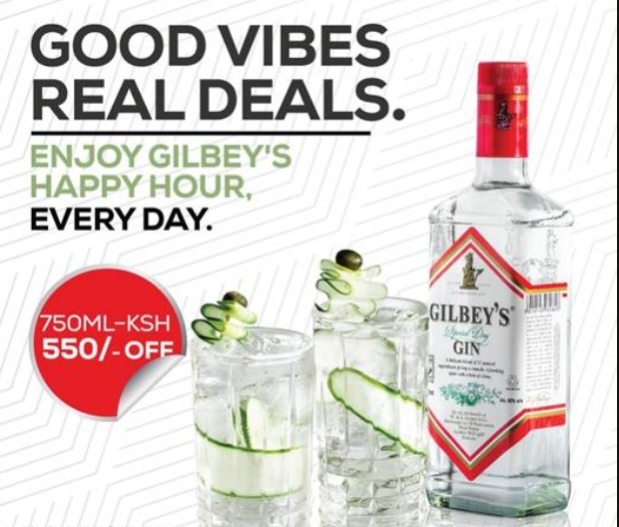
Right on cue, your favourite gin is on offer; Gilbey’s 750ml for 999, saving you 550 bob! That is quite the good deal, and you are tempted to stock up before they resume regular pricing. But before you do, here’s what you should know… and yes, that amazing Gilbey’s offer is available on EABL’s e-commerce platform; ke.thebar.com , supermarkets, retail stores and a bar near you.
Promotional discounts are often misconstrued as volume-focused; with the aim to sell to as many people as possible. But does your favourite alcohol drink manufacturer mean it when they ask you to drink responsibly? Yes, they absolutely do.
You hardly ever notice, but your favourite alcoholic drink comes with a disclaimer; EXCESSIVE ALCOHOL CONSUMPTION IS HARMFUL TO YOUR HEALTH
As with most products, the manufacturer is required to declare the possible side effects to help the consumer make an informed decision when purchasing. Some known side effects of alcohol consumption include impaired judgement, blurred vision and slurred speech.
Legally, alcoholic drink manufacturers are mandated to acknowledge these side effects, which explains why the products are subject to age restrictions, licensing, advertising rules, public safety laws and taxation.
However, outside of the legal red tape there is additional incentive for manufacturers to encourage moderation. Strategic, even.
Overconsumption not only leads to health risks, but also widespread social harm due to impaired judgement.
While large volumes from sales certainly help meet short-term business goals, promoting moderation protects long-term viability of the market. Here’s how:
Reputation management – in an era where negative publicity threatens a brand’s existence and a single video on social media can wreck a longstanding reputation, alcohol brands are extremely motivated to champion responsible drinking to their consumers to maintain a credible public image.
Profitable consumption – moderate consumers represent a more sustainable and ultimately more profitable customer base. They are more likely to make consistent, thoughtful purchases, often opting for premium product, and fostering long-term brand loyalty.
In contrast, heavy drinkers, while providing short-term volume, are often associated with increased health issues, social problems and regulatory scrutiny, all of which can be incredibly costly for brands in the long run. Investing in moderate, discerning consumers ensures a healthier and more stable market.
Better drinking experiences – consumers who moderate their consumption get more out of their social moments because they are present and in control. Eabl’s “Drink Better, not More” campaign is founded on this premise, aiming to shift consumer mindset towards quality over quantity.
Corporate social responsibility – it is fundamentally socially responsible for manufacturers to acknowledge the side effects of overconsumption and forewarn consumers of the same.
This isn’t just good optics; it is a genuine acknowledgement of their role in public health.
Responsible drinking messaging is not just socially responsible, it’s a shrewd balance of profit, risk management and market sustainability.
So yes, it is strategic, not contradictory for manufacturers to ask you to drink responsibly.
Cheers to the long weekend!As you enjoy, make use of these responsible drinking practices:Pace your drinks – spacing drinks out, rather than stacking them (shot after shot), keeps your blood alcohol level from spiking. Alternate alcoholic drinks with non-alcoholic ones.
Stay hydrated – drink water alongside alcohol to reduce dehydration which ultimately leads to headaches, fatigue and dizziness.
Do not drink on an empty stomach – food especially meals with protein, fats and complex carbs, slow down alcohol absorption in your blood stream.