By Jeff Kizzilah /Digital Editor
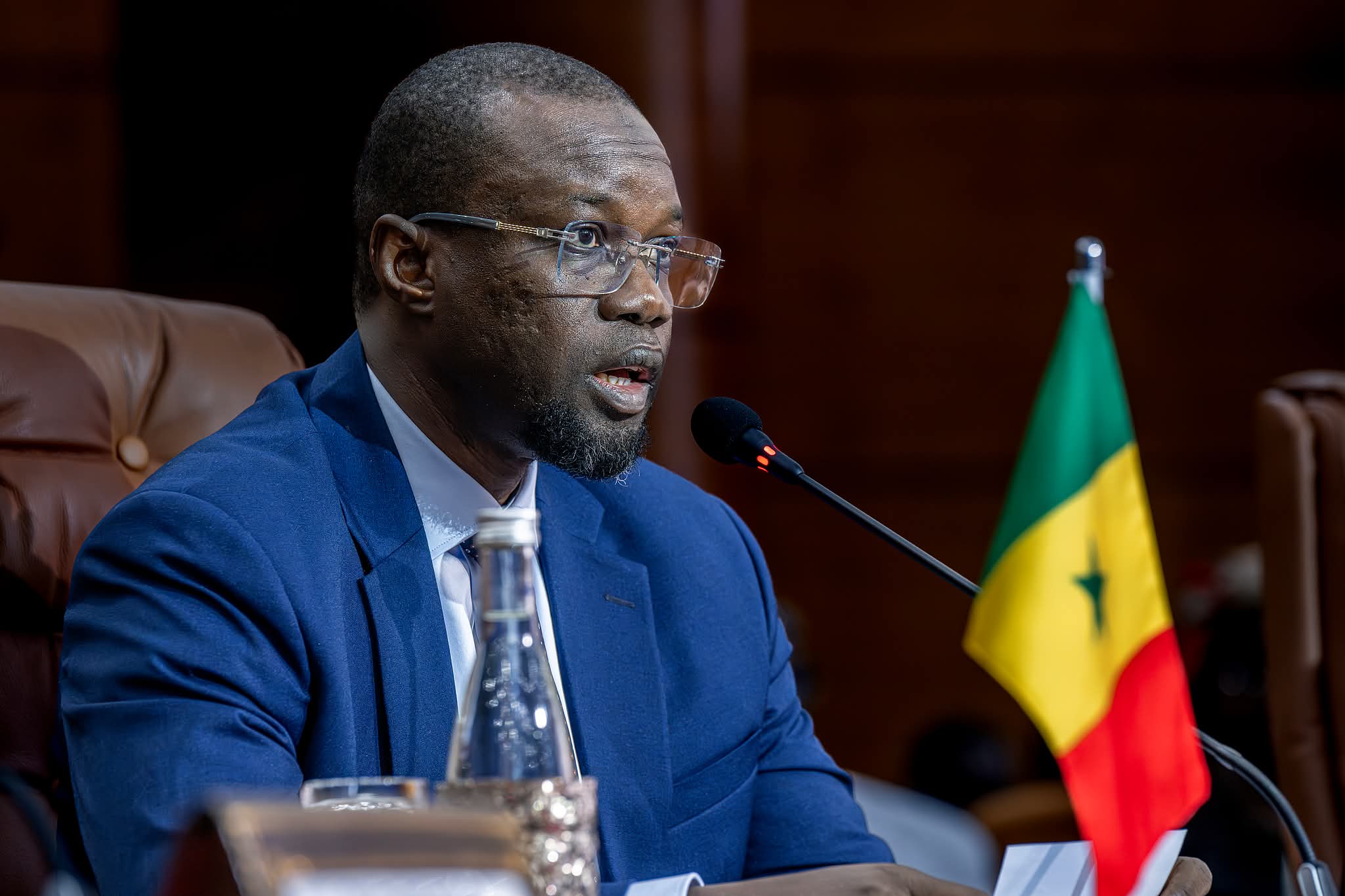
Ousmane Sonko has completed a dramatic political comeback after being elected Speaker of Senegal’s National Assembly following his reinstatement to public office.
Sonko secured an overwhelming 132 out of 165 votes in the parliamentary election held in Dakar, cementing his renewed influence in Senegalese politics. The vote, however, was marred by a boycott from opposition lawmakers, who protested the process and raised concerns over political fairness and inclusivity.
The election marks a significant turning point for the former Prime Minister, who had previously faced political and legal battles that saw him removed from office and barred from participating in public affairs. His reinstatement and subsequent election to one of the country’s most powerful political positions signals a major shift in Senegal’s political landscape.
Supporters of Sonko celebrated the victory as a triumph of democracy and resilience, with many viewing his return as a sign of renewed public confidence in his leadership. Crowds gathered in parts of Dakar chanting slogans in support of the outspoken politician, whose rise has continued.
Meanwhile, opposition leaders criticized the parliamentary process, arguing that the boycott reflected growing divisions within the country’s political class. They accused the ruling coalition of sidelining dissenting voices during a critical moment for Senegal’s democracy.
Political analysts say Sonko’s election as Speaker could strengthen his influence ahead of future political contests and policy debates, especially on governance reforms, economic recovery, and youth empowerment.
The developments are expected to attract close attention across West Africa, where Senegal has long been viewed as one of the region’s most stable democracies.