The Quiet Rise of Local Economies in Kenya’s Harshest Landscapes
By Jeff Kizzilah/Digital Editor
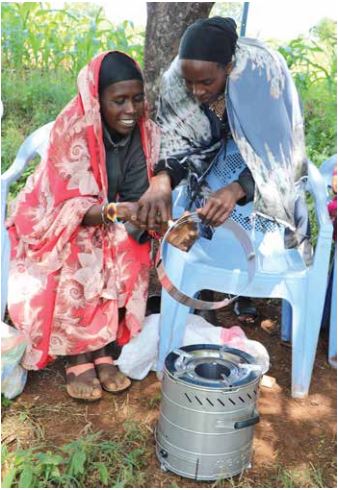
Economic transformation is rarely associated with arid landscapes. In northern Kenya, where livelihoods have long depended on livestock and rainfall, the idea of diversified local economies once seemed distant.
Today, that perception is changing.
Across conservancies supported by the Northern Rangelands Trust (NRT), a gradual but significant shift is taking place—one that is redefining how communities generate income and build resilience.
The change is not driven by a single intervention. It is the result of interconnected systems.
Through programmes such as Mashinani WORKS, NRT is supporting skills development, enterprise growth, and financial literacy. These initiatives are designed not as standalone activities, but as part of a broader strategy to reduce vulnerability and expand opportunity.
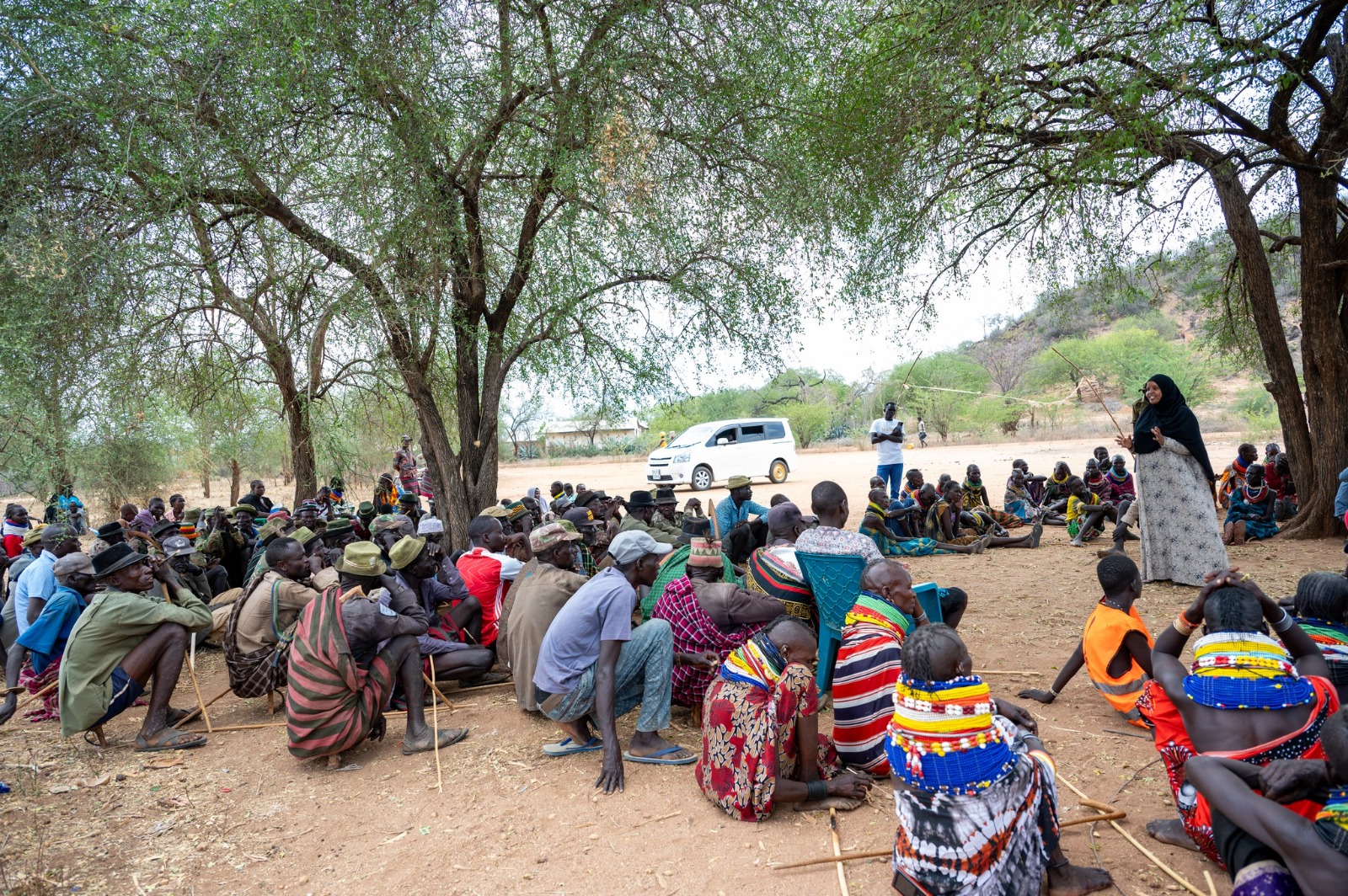
“You cannot talk about livelihoods in isolation,” says Ture. “They are connected to water, land, governance—everything. Our approach is to support systems that bring these elements together.”
For many young people, this has opened new pathways.
Vocational training programmes are equipping youth with practical skills—construction, mechanics, tailoring—that allow them to engage in economic activities beyond traditional pastoralism.
A trainee from Samburu reflects on this shift: “Before, I only knew livestock. Now, I have a skill. Even when there is drought, I can still work.”
Women are also central to this transformation.
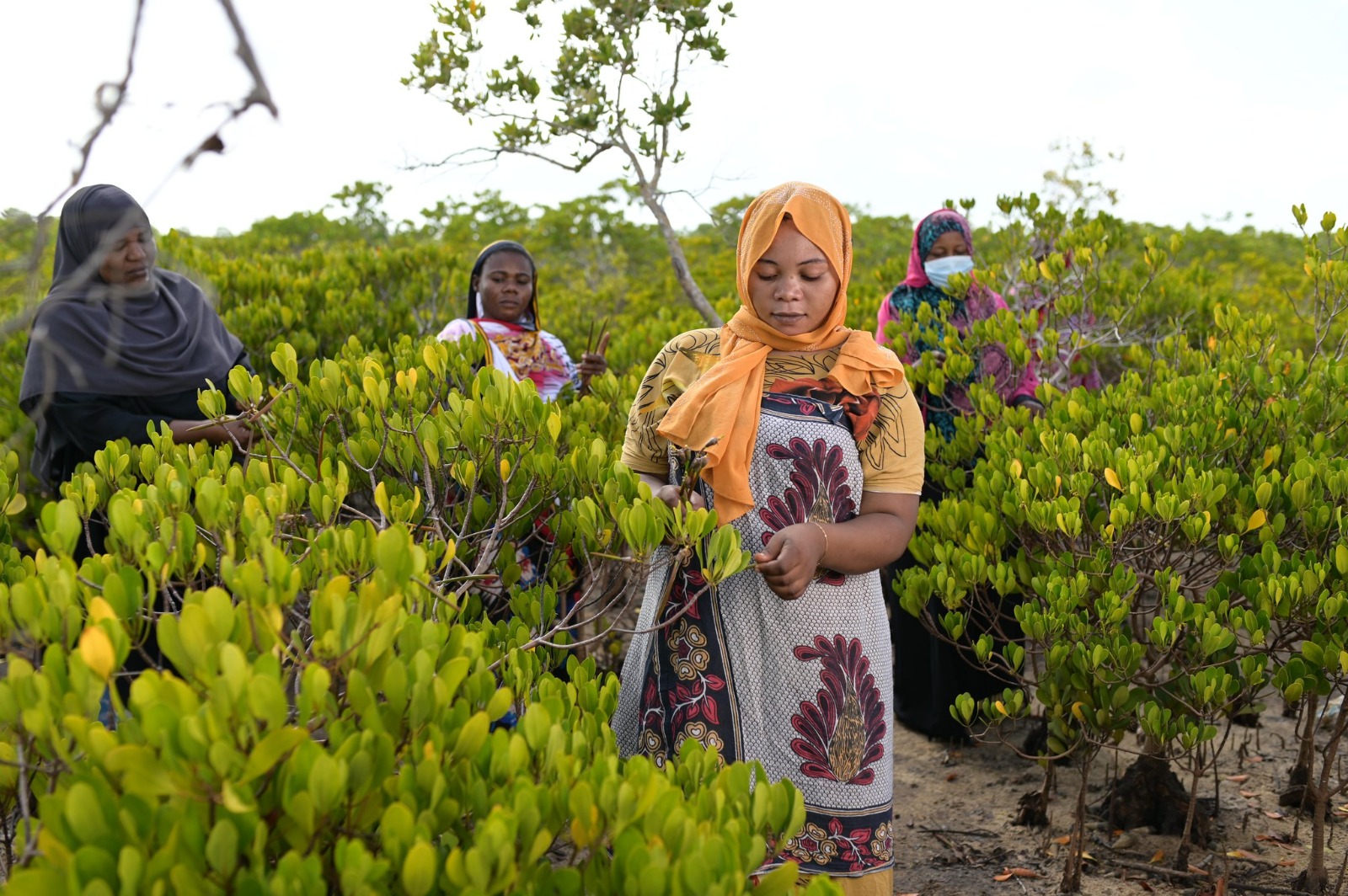
Through beadwork and small-scale enterprises, women are generating income that supports households and strengthens community networks. These activities, supported through structured programmes, are increasing financial independence and reshaping economic roles.
“Women are becoming economic anchors in many households,” ure notes. “And that changes how communities function.”
The integration of these efforts is what gives them strength.
Improved water access reduces time spent on basic tasks, allowing individuals to engage in economic activities. Better rangeland management supports livestock productivity, maintaining a critical source of income. Governance systems ensure that resources are managed transparently and equitably.
Together, these elements create a more stable economic environment.
The impact is not always dramatic, but it is cumulative. Small enterprises grow. Skills translate into income. Households diversify their sources of livelihood.
Vishal Shah, CEO of Northern Rangelands Trust, frames this as a long-term shift. “We are not replacing traditional livelihoods—we are strengthening them by adding options. Resilience comes from having multiple pathways, not just one.”
Across northern Kenya, the economy is evolving from one defined by survival to one characterised by adaptability.
And through systems supported by Northern Rangelands Trust, communities are building foundations that allow them not just to endure challenging conditions, but to navigate them with increasing confidence.