“Africa on the Brink: AHF Warns Kenya Could Be Left to Face Next Pandemic Alone as Health Funding Crumbles”
By Jeff Kizzilah, Digital Editor
Africa Must Act Now or Risk Being Unprepared for the Next Pandemic
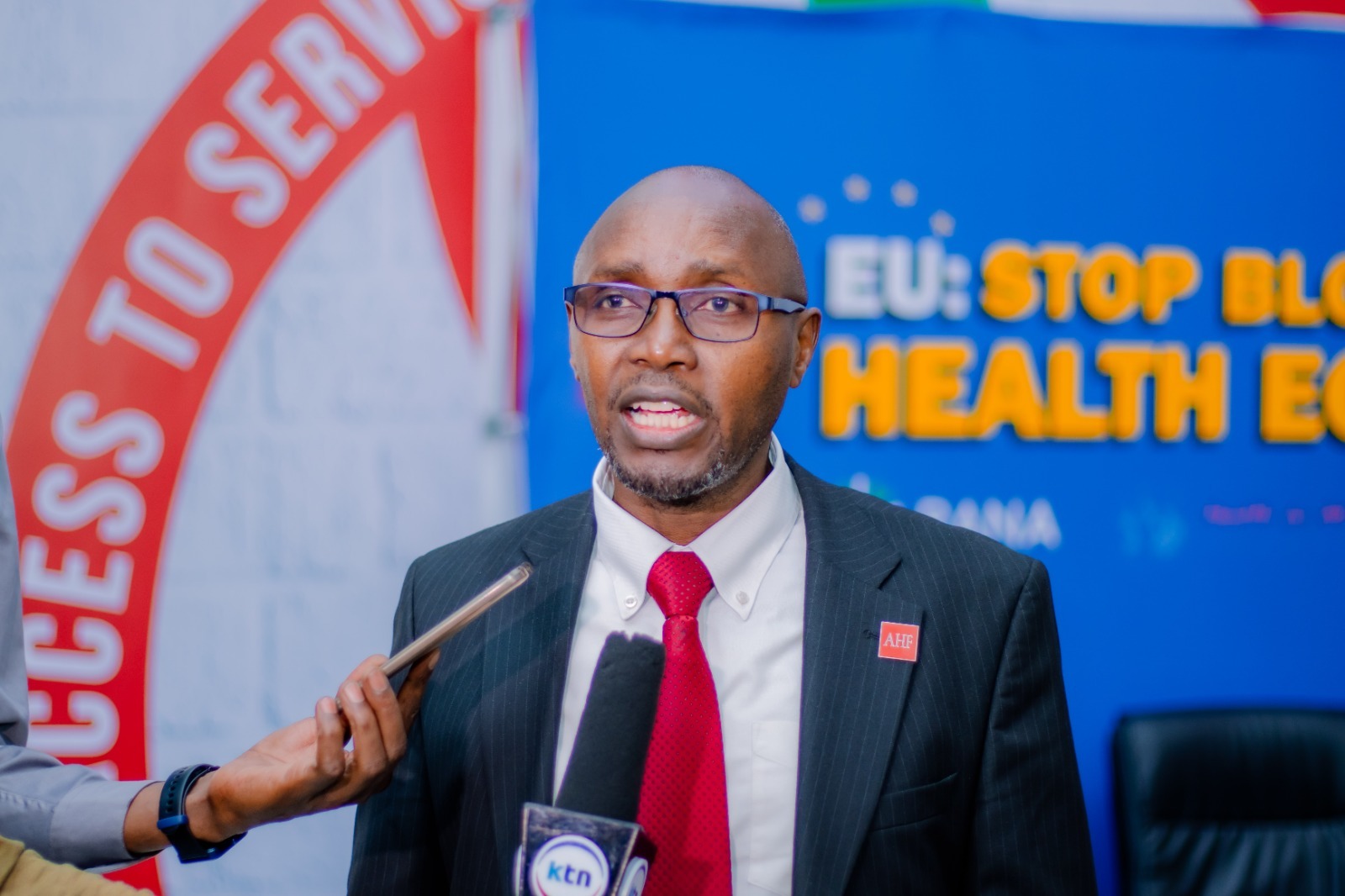
Samuel Kinyanjui,Country Director, AHF ,Kenya has issued a stark warning that Kenya and the wider African continent could be dangerously unprepared for the next global pandemic if urgent health financing and structural reforms are not implemented.
Speaking amid growing global health uncertainty, Dr. Kinyanjui cautioned that Africa risks once again being pushed to the back of the queue due to inequitable global health systems, weak local manufacturing capacity, and heavy dependence on external funding. He further noted rising frustrations among patients, with some accusing European institutions of delaying or blocking critical funding from reaching those most in need.
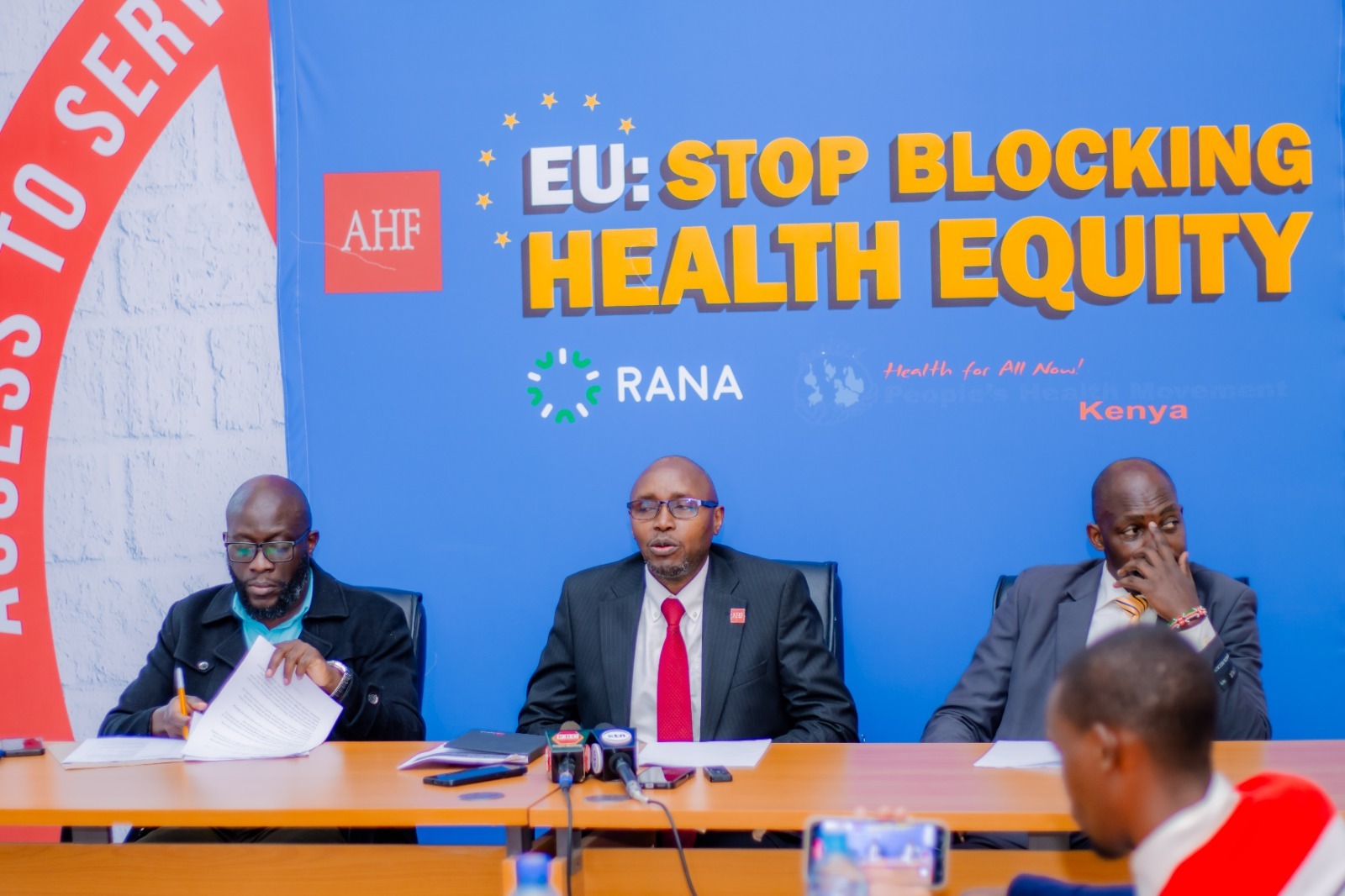
“We are closer to the next pandemic than we think. The real question is — will Africa be ready, or will we once again be last in line for life-saving interventions?” he posed.
Health Financing Crisis Threatens System Stability
Dr. Kinyanjui revealed that nearly 70% of health financing in many African countries is externally sourced, describing the situation as both unsustainable and risky as donor priorities continue to shift.
He warned that declining global health support could severely weaken healthcare systems and disrupt essential services.
“Patients do not disappear when funding disappears. The needs remain, but the system weakens,” he said.
Africa’s Voice Cannot Be Ignored
With Africa accounting for approximately 30% of global representation in international health platforms, Dr. Kinyanjui emphasized that no global health agreement can succeed without the continent’s support.
However, he raised concerns that African nations are often sidelined in key decision-making processes.
“Africa is not a spectator. Without our ratification, no meaningful global health agreement can stand,” he asserted.
Call for Local Manufacturing and Policy Reforms
is urging African governments to prioritize local production of medicines and health commodities, reduce taxation on pharmaceutical inputs, and create guaranteed markets for locally manufactured products.
Dr. Kinyanjui warned that continued reliance on imports undermines both economic growth and health security.
“Why produce locally if governments continue to import the same medicines? This discourages investment and weakens our independence,” he noted.
Shift to Outcome-Based Healthcare
He also called for a shift from input-based to outcome-based healthcare financing, where providers are compensated based on services delivered and patient outcomes rather than processes.
This approach, he said, would enhance efficiency and ensure better use of limited healthcare resources.
Rising Burden of Non-Communicable Diseases
Dr. Kinyanjui raised alarm over the increasing burden of non-communicable diseases (NCDs) such as hypertension and diabetes, noting that control rates remain alarmingly low across the continent.
“Only a small fraction of patients have their conditions under control. This is a silent crisis growing alongside infectious disease threats,” he warned.
Equity or Nothing
On global health negotiations, Dr. Kinyanjui insisted that equity must remain non-negotiable, urging African nations to reject any agreements that fail to guarantee fair access to medicines, vaccines, and technologies.
“A life in Africa must be valued the same as a life in Europe or America. Without equity, there is no deal worth signing,” he concluded.
About AHF Kenya
is part of , a global nonprofit organization providing cutting-edge medicine and advocacy in over 45 countries, with a strong presence in Kenya supporting HIV/AIDS prevention, treatment, and broader healthcare system strengthening.