By Judith garete
The multi-billion-shilling Turkana oil project has come under intense scrutiny, with oil and gas experts warning that the current Production Sharing Agreement (PSA) between the Government of Kenya and Gulf Energy E&P B.V (GEBV) exposes the country to opacity, inflated costs, and delayed revenues.
Appearing before the Joint Committees on Energy of the Senate and the National Assembly, the experts urged Parliament to urgently amend the PSA to introduce mandatory independent audits of revenues and costs, arguing that the existing framework gives the oil firm excessive leeway at the expense of Kenyan taxpayers.At the centre of the controversy is the cost recovery ceiling, which was raised from 55 per cent in the original contract to 85 per cent under the First Addendum to the Production Sharing Contract.
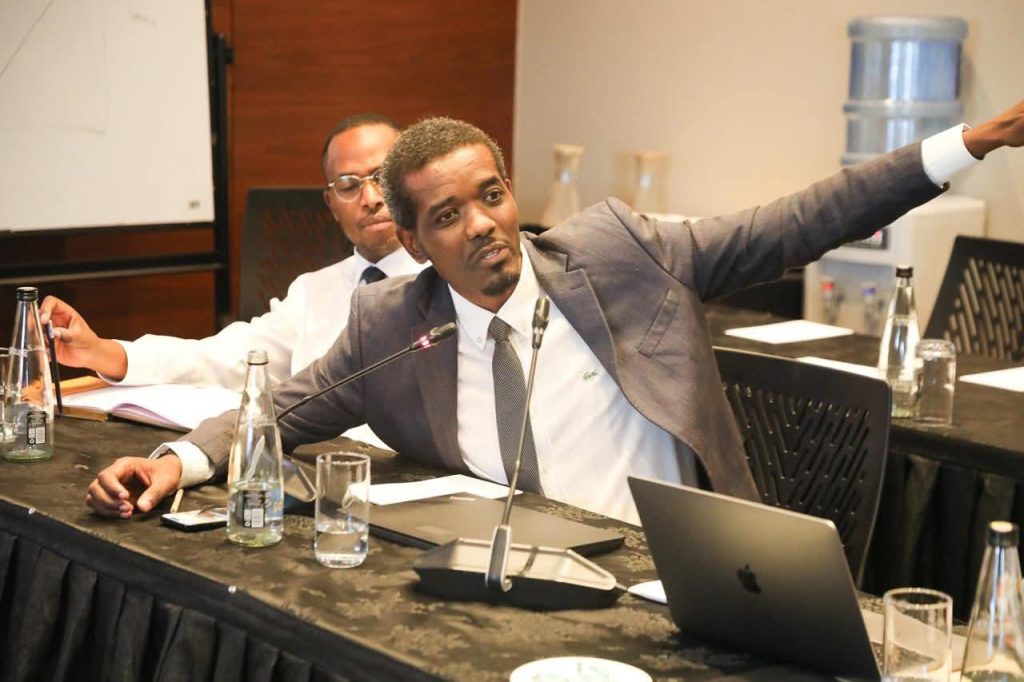
“The 85 per cent cost recovery is a major concession. It may attract investment, but it significantly delays when Kenyans begin to see real revenue from their oil,” said Mark Ekwam, a former Tullow Oil board member and current consultant with the China National Petroleum Corporation.
Calls for Independent Audits and KRA OversightThe experts proposed that an independent auditor, incorporating representatives from the Office of the Auditor-General and the Kenya Revenue Authority (KRA), be embedded into the project to track revenues, costs, and oil volumes from South Lokichar to the Port of Mombasa.
“We need an independent system to confirm that what is extracted in Turkana is exactly what is exported through Mombasa,” Ekwam told MPs.He further warned that the expanded definition of capital expenditure—now including labour, fuel, maintenance, hauling, mobilisation, supplies, and decommissioning—creates room for cost inflation unless strictly audited on a quarterly basis.
Exclusive Transport Rights Raise Red FlagsUnder Clause 27(6) of the PSA, Gulf Energy E&P B.V has been granted exclusive rights to transport crude oil from Turkana to Mombasa and market the petroleum, a provision experts say concentrates too much power in the hands of the operator.
Ekwam also urged Parliament to commission an independent feasibility study on rail transport, warning that reliance on road transport—estimated at 600 trucks daily to move 20,000 barrels of oil—poses the single biggest operational, environmental, and social risk to the project.Push to Revert Cost Recovery to 55%Fredrick Ejore, Regional Director of Kamit Group Limited (East Africa), told the committee that Parliament should review and reduce the cost recovery ceiling back to 55 per cent to ensure the State recoups its investment before production ends.
“At 85 per cent, investors likely structured the deal around what they would recover, not what Kenya would earn,” Ejore said.
He called for the strengthening of the Energy and Petroleum Regulatory Authority (Epra) or the creation of a specialised oil oversight unit to monitor costs, revenues, environmental safeguards, and local content compliance.“We need technocrats within Epra who can interrogate every aspect of the South Lokichar project—financially, technically, and environmentally,” he said.
Transparency, Local Content and Environmental ConcernsMark Senteu, Commercial Manager at Vivo Energy Kenya, noted that the petroleum sector’s complexity demands full transparency, particularly on:Daily oil production volumesRevenue flows to national and county governmentsBenefits accruing to local communities“Kenyans deserve clarity on how many barrels are produced per day and how the benefits are shared,” Senteu said.
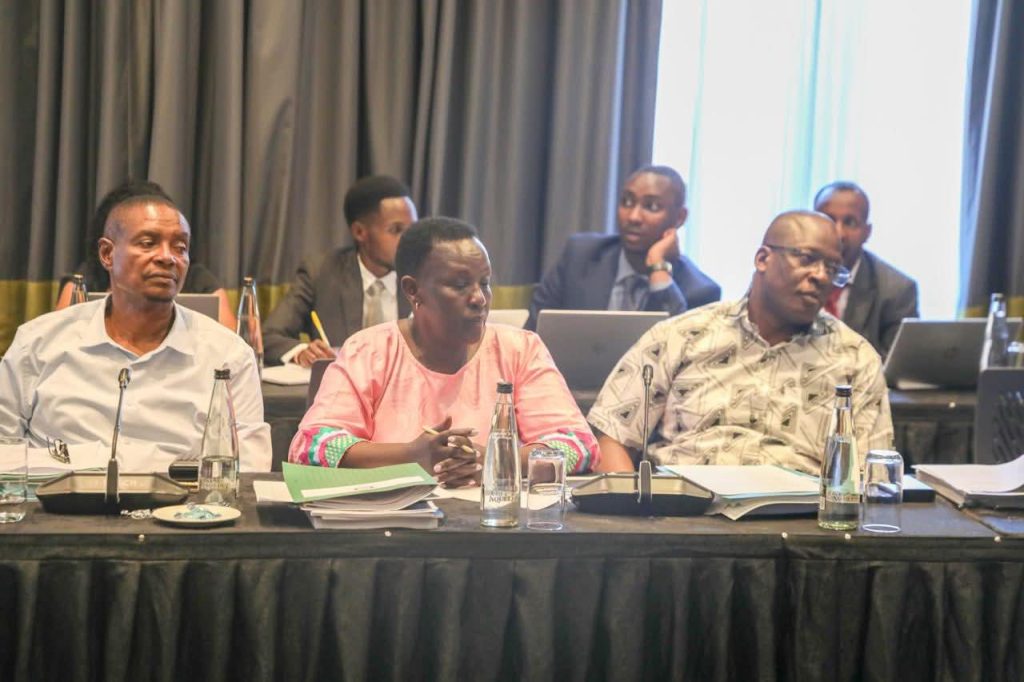
Meanwhile, Chepalungu MP Victor Koech Mandazi questioned whether calls for new oversight bodies undermine Epra’s mandate, asking bluntly:“Are you saying Epra is not doing the work it is supposed to do?”
Adding a youth and environmental perspective, Johnson Kibaki, a petroleum engineering student, urged MPs to consider solar energy solutions to reduce pollution and environmental degradation linked to oil operations.Parliament Under PressureThe joint committees are currently scrutinising the PSA covering Block 7 (formerly Block 13T), where GEBV plans a two-phase development of six oil discoveries, from which the government expects to earn $1.1 billion.As pressure mounts, Parliament now faces a defining question: Will Kenya’s oil finally work for Kenyans—or will cost recovery concessions drain the promise of Turkana’s black gold?