Schneider Electric Pushes “Energy Democracy” Agenda to Light Up Sub-Saharan Africa
has reaffirmed its commitment to accelerating an inclusive energy transition in Sub-Saharan Africa by expanding access to affordable, reliable, and sustainable green electricity. The announcement was made during the opening of the , where the company outlined its ambition to impact 100 million people with clean energy access by 2030.
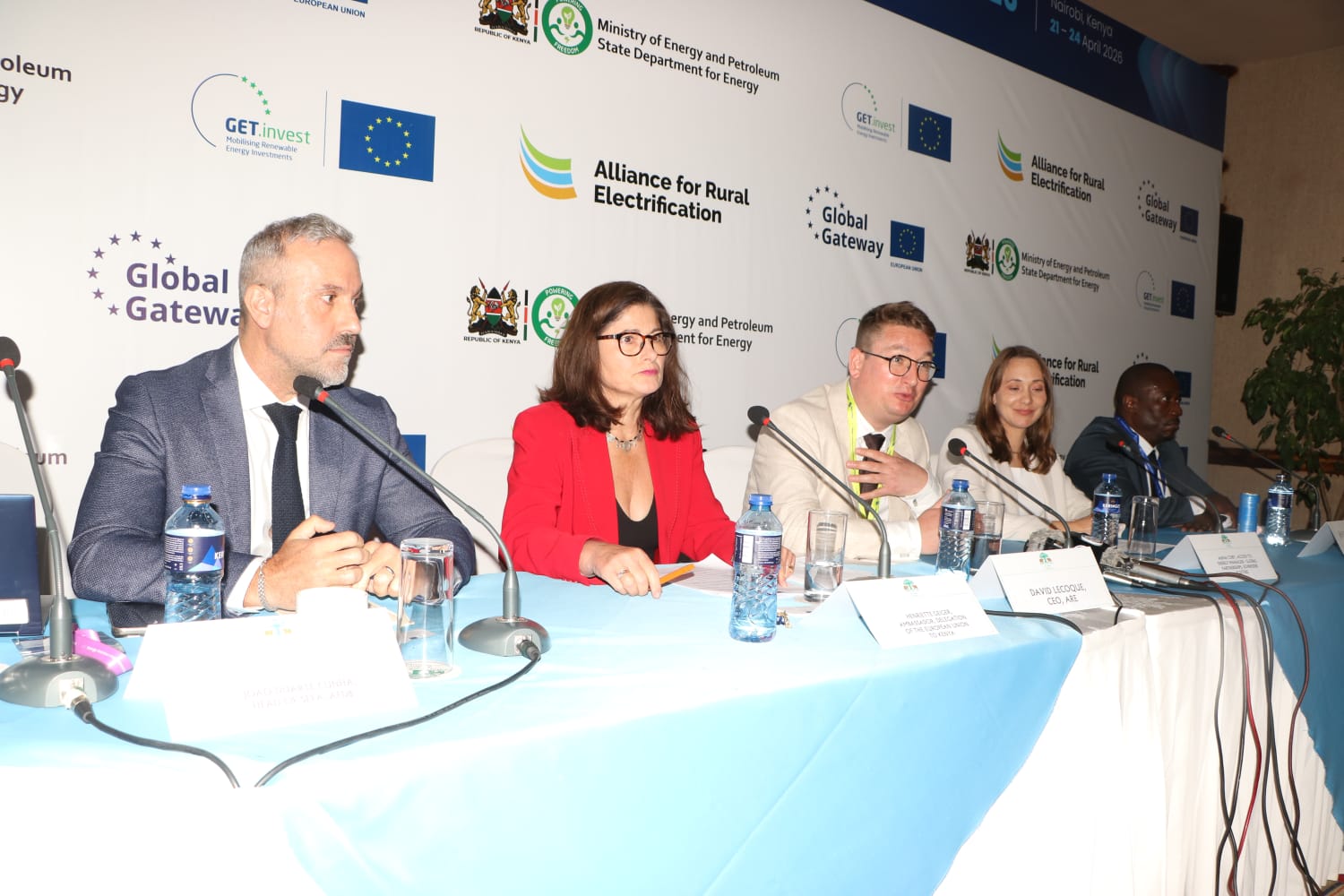
The move comes amid growing concern over global energy inequality. According to the in its Tracking SDG 7: The Energy Progress Report 2025, over 666 million people worldwide still lack access to electricity, with Sub-Saharan Africa accounting for the largest share of this gap. Of the 20 countries with the widest electricity access deficits, 18 are located in the region—highlighting the urgency for scalable and sustainable solutions.
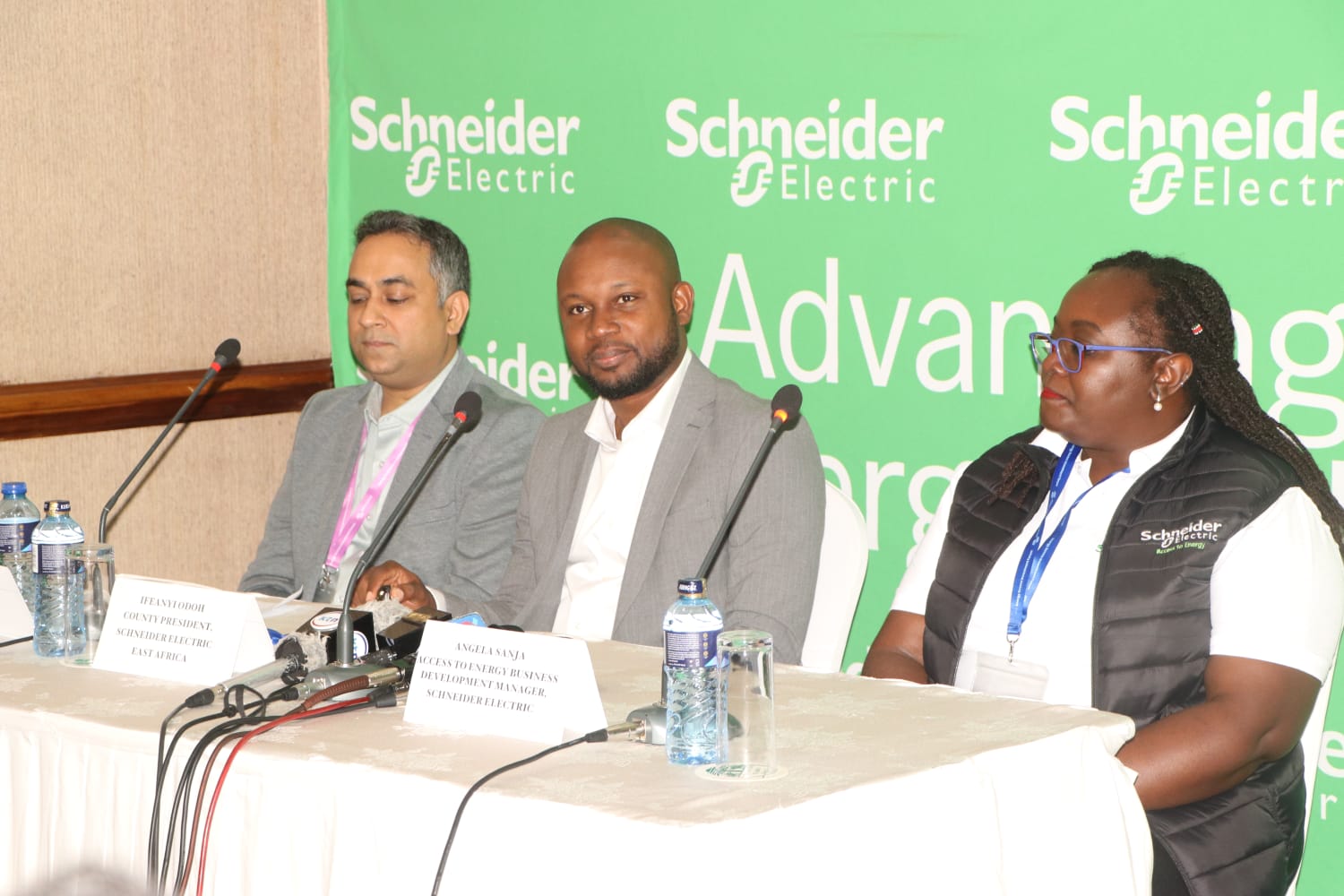
In response, Schneider Electric is calling for stronger global collaboration to advance “energy democracy” through inclusive governance and decentralized energy systems. The company emphasized that shifting from centralized grids to community-led solutions such as mini-grids and off-grid solar systems can accelerate access while addressing the energy trilemma of affordability, reliability, and sustainability.
During the four-day forum, Schneider Electric showcased a suite of innovations aimed at transforming rural energy access. Among them is the Climate Smart Village model, which integrates smart technologies with community-driven approaches to deliver both energy access and socio-economic development.
“Access to energy must go hand in hand with strengthening human capacity and fostering local entrepreneurship,” said , Director of Global Strategy & Business for Anglophone Africa, Access to Energy at Schneider Electric. “Since 2009, we have combined clean electricity access with vocational training, support for local entrepreneurs, and impact investing to ensure long-term self-reliance.”
The company reported significant progress, having already impacted 61.7 million people with access to clean electricity, supported over 11,000 entrepreneurs across 60 countries, and empowered more than one million individuals—bringing it closer to its 2030 target.
Schneider Electric also highlighted its decentralized energy solutions tailored for underserved communities. The Homaya Advanced Solar Solution provides reliable electricity to last-mile populations, including schools, healthcare facilities, and small businesses. Supported by EcoStruxure™ Energy Access for digital monitoring, the system ensures energy reliability and continuity of essential services.
Additionally, the Altivar Solar ATV320 solution offers solar-powered water pumping to support irrigation and improve access to clean water in off-grid areas. By adapting to available solar energy, the system enhances agricultural productivity, boosts food security, and contributes to improved public health outcomes.
The company pointed to successful implementation of its Climate Smart Village model in India as a blueprint for Africa. In Jharkhand’s Sehal and Chatti villages, an 85 kW solar system now powers homes, irrigation, and local enterprises—doubling household incomes over four years, reducing migration, and cutting carbon emissions by approximately 60,000 kilograms annually.
“Access to clean and reliable electricity can transform communities by unlocking economic opportunity and strengthening resilience,” said , Country President of Schneider Electric East Africa.
As Sub-Saharan Africa continues to grapple with energy access challenges, Schneider Electric’s renewed commitment signals a growing shift toward decentralized, community-driven solutions that not only power homes but also drive inclusive economic growth and climate resilience.