Headline:
“Mwaura Defends G-to-G Fuel Deal: ‘No More Shortages, No More Cartels — Kenya Is Back in Control’”
By Jeff Kizzilah/Digital Editor
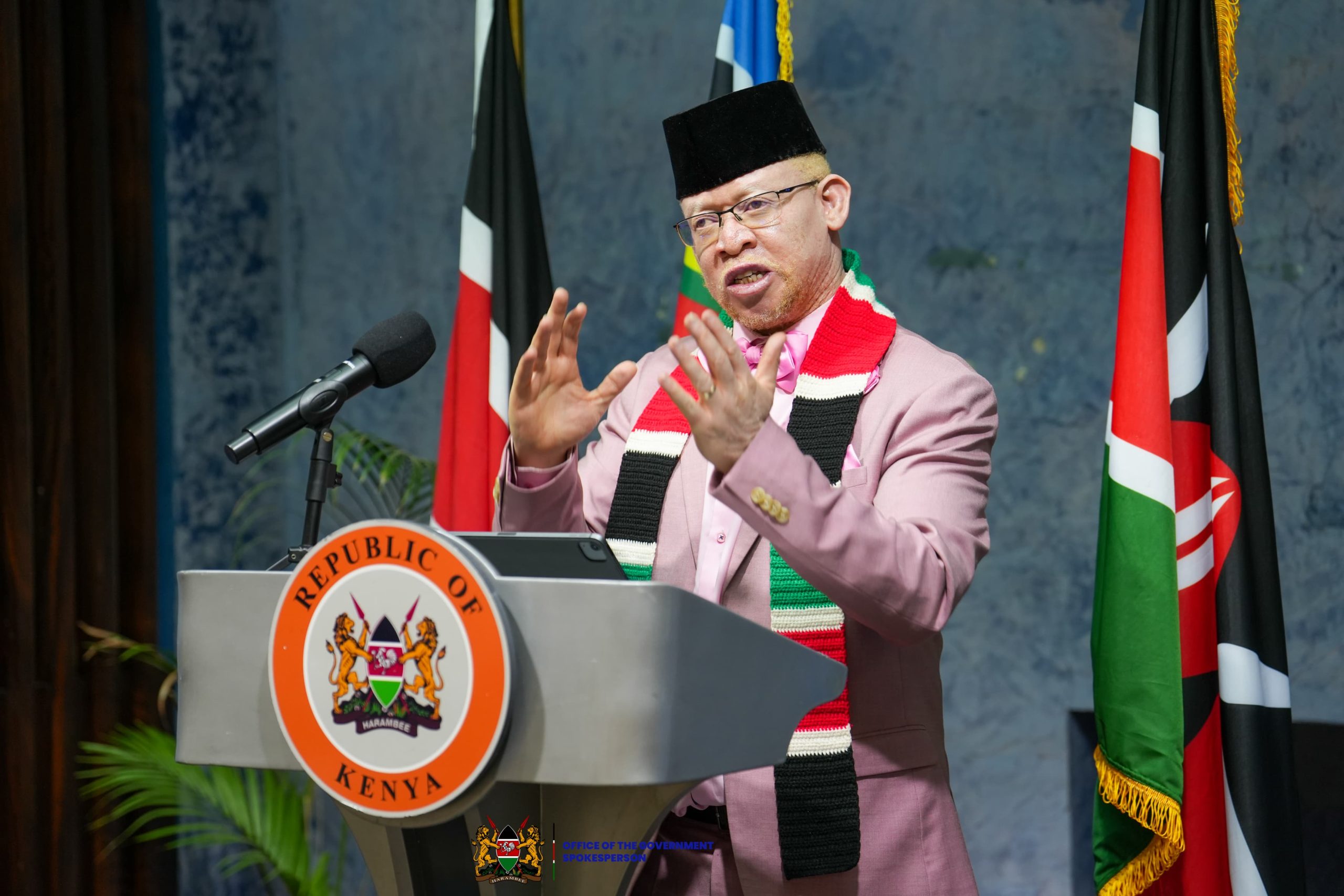
Key Highlights from Government Spokesperson Hon. Isaac Mwaura on the G-to-G Fuel Import Model
The Government has strongly defended its Government-to-Government (G-to-G) fuel import framework, terming it a transformative policy that has stabilized Kenya’s energy sector and shielded the economy from global shocks.
Speaking during a press briefing, Government Spokesperson Hon. Isaac Mwaura outlined the rationale, benefits, and impact of the G-to-G arrangement, dismissing critics and reaffirming the administration’s commitment to protecting Kenyan consumers.
Why the Government Chose G-to-G
Mwaura stated that the G-to-G fuel import model was introduced in 2022 as an emergency intervention to address a deepening crisis marked by fuel shortages, erratic pricing, and a critical shortage of US dollars.
He noted that the previous spot-market system had been infiltrated by cartels and speculative traders who manipulated supply, creating artificial shortages and driving up demand for foreign currency.
Under the G-to-G model, the Government now procures fuel directly from leading global suppliers such as Saudi Aramco, ADNOC, and ENOC. This, he said, eliminates middlemen, allows advance price negotiations, and ensures structured and predictable fuel imports.
The Benefits of G-to-G
According to Mwaura, the G-to-G program has delivered consistent fuel supply over the past three years, effectively ending the era of artificial shortages.
He emphasized that the model has reduced pressure on the US dollar by eliminating speculative spot purchases, contributing to a stronger Kenyan shilling, lower inflation, and improved foreign exchange reserves.
Mwaura added that Kenya’s approach is increasingly being viewed as a benchmark by other countries seeking to stabilize their fuel markets.
Addressing concerns over the MV Paloma shipment, he clarified that it was an isolated case and was excluded from pricing calculations to protect consumers. He maintained that, overall, the G-to-G framework has secured fuel at more favorable rates.
Government Interventions to Cushion Kenyans
To shield Kenyans from rising global fuel prices, Mwaura outlined several key interventions:
Deployment of Ksh 6.2 billion from the Petroleum Development Levy to stabilize fuel prices
Reduction of VAT on petroleum products from 16% to 8%, lowering pump prices
Continued fuel subsidies to cushion consumers
Strategic price controls to ensure diesel does not exceed Ksh 230 per litre.
He further noted that while fuel levies remain in place, they play a critical role in financing infrastructure development, including road networks that ultimately reduce the cost of transport and doing business.
Mwaura reaffirmed that the G-to-G fuel import model remains a cornerstone of the Government’s economic stabilization strategy, insisting that it has restored order, transparency, and reliability in Kenya’s energy sector.
He urged Kenyans to disregard misinformation, stating that the Government will continue implementing policies that prioritize affordability, stability, and long-term economic growth.