Daylight Robbery at the Pump: Why Are Kenyans Paying More When Global Oil Prices Have Crashed? Ndidi Nyoro Ask
KENYA MUST LOWER VAT ON FUEL AND REDUCE FUEL LEVY
By Jeff Kizzilah/Digital Editor
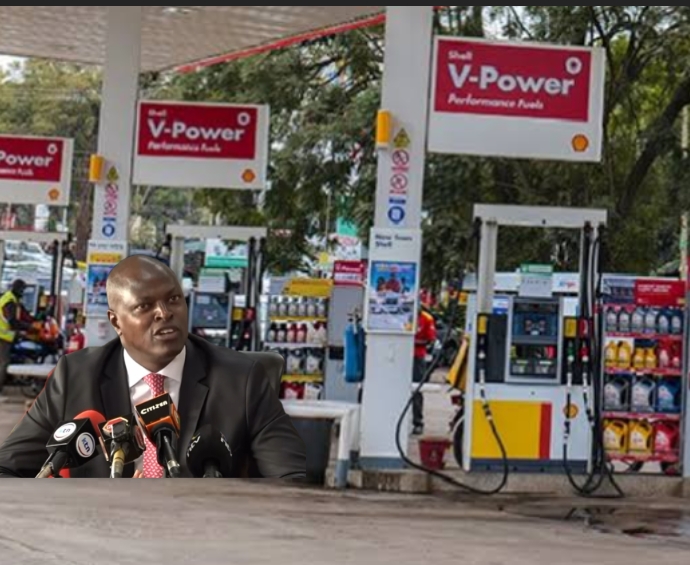
Hon. Ndindi Nyoro
The persistent high cost of fuel in Kenya, despite a significant drop in global oil prices, has raised serious concerns about taxation policies and government intervention in protecting consumers.
In March 2022, global oil prices hovered around $100 per barrel, peaking at over $116 per barrel in May 2022. During this period, petrol retail prices in Kenya stood at approximately KSh 150, while diesel averaged KSh 131—figures notably lower than current pump prices.
However, as of December 2025, global oil prices had fallen drastically to below $55 per barrel—less than half the 2022 peak. Despite this sharp decline, Kenyan consumers have not experienced a corresponding reduction in fuel prices.
The disparity is largely attributed to increased taxation. In 2023, the government introduced an additional 8% VAT on fuel, and in 2024, a further KSh 7 fuel levy was imposed. Currently, VAT alone accounts for over KSh 25 per litre, excluding other excise duties and statutory levies. Altogether, taxes and levies contribute nearly 50% of the final pump price—placing Kenya among the highest globally in fuel taxation.
Of grave concern is the reported securitization of the KSh 7 fuel levy—where revenues were pre-collected or borrowed against, allegedly raising
approximately KSh 32 billion annually. This move raises serious legal and ethical questions regarding fiscal management and transparency.
Kenya, as a non-oil-producing nation, remains a price taker in global markets. However, the government retains the critical tools of taxation, levies, and subsidies to cushion citizens against global shocks. Instead, the burden has increasingly been shifted to consumers.
It is therefore imperative that:
The KSh 7 fuel levy introduced in 2024 be scrapped immediately.
The additional 8% VAT on fuel be reversed.
Financial institutions involved in the securitization arrangement be compelled to renegotiate terms, including offering a moratorium.
Parliament urgently reviews the legal framework governing such fiscal decisions to protect public interest.
Kenyans have borne the weight of high fuel costs even as global prices declined. It is now time for the government to reciprocate by easing the tax burden and stabilizing the economy.
It is particularly alarming that neighboring countries such as Uganda, Tanzania, and Rwanda are currently enjoying lower fuel prices—despite relying on Kenyan infrastructure for fuel transit.
The continued high cost of fuel threatens economic recovery, increases the cost of living, and undermines the competitiveness of local industries. Immediate action is not just necessary—it is urgent.