By Jeff Kizzilah
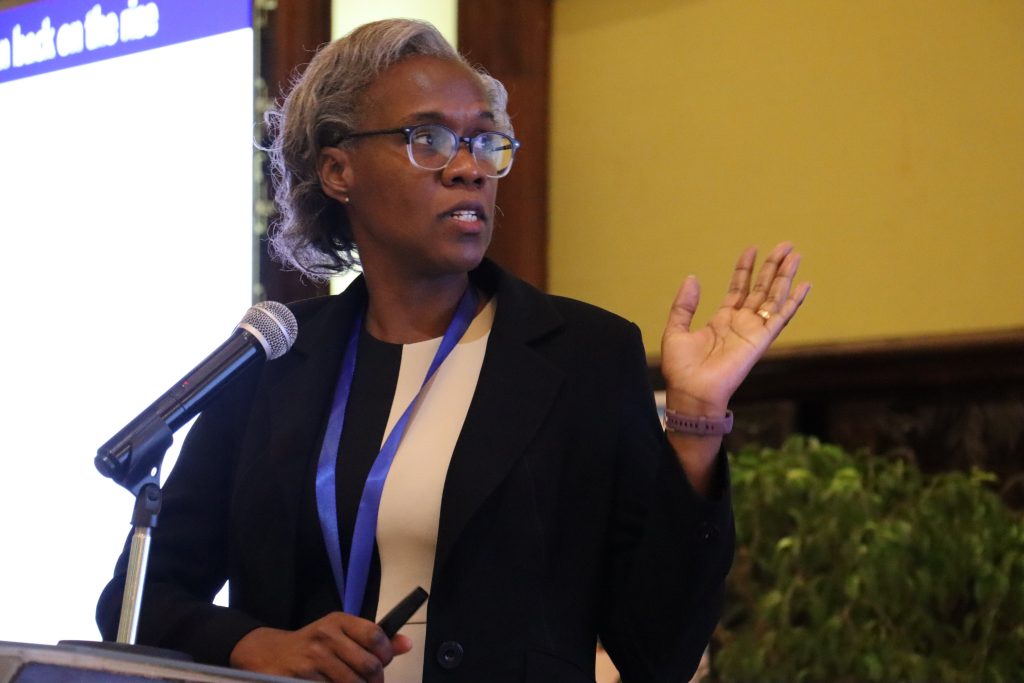
Prof. Isabella Oyier, Head of Bioscience, has unveiled groundbreaking research on molecular innovations aimed at strengthening health facility-based surveillance of antimalarial drug resistance, marking a significant step forward in Kenya’s fight against malaria.
Speaking during the KASH Conference in Nairobi, Prof. Oyier highlighted the urgent need to integrate advanced molecular tools into routine health systems to detect early signs of resistance to frontline antimalarial drugs. She emphasized that timely surveillance is critical in safeguarding treatment efficacy and preventing large-scale public health setbacks.
“Molecular surveillance allows us to detect resistance markers early, track transmission patterns, and guide evidence-based policy decisions,” she noted. “If we act swiftly on data, we can stay ahead of emerging resistance.”
In addition to the surveillance innovations, Prof. Oyier presented findings from a cluster-randomized trial evaluating Ivermectin as a complementary strategy for malaria control and prevention. The study focused on mesoendemic regions where malaria transmission remains perennial.
The trial findings indicate that Ivermectin, when used alongside existing malaria interventions such as insecticide-treated nets and indoor residual spraying, has the potential to reduce mosquito survival rates and disrupt transmission cycles. Researchers believe this integrated approach could significantly enhance malaria control efforts, particularly in areas where conventional strategies are under increasing pressure due to resistance.
Prof. Oyier underscored that while progress has been made in reducing malaria cases nationally, persistent transmission in certain regions calls for innovative and science-driven solutions.“We must diversify our toolbox. Drug resistance and insecticide resistance threaten to reverse our gains. Innovation, research, and strong surveillance systems are not optional—they are essential,” she stated.
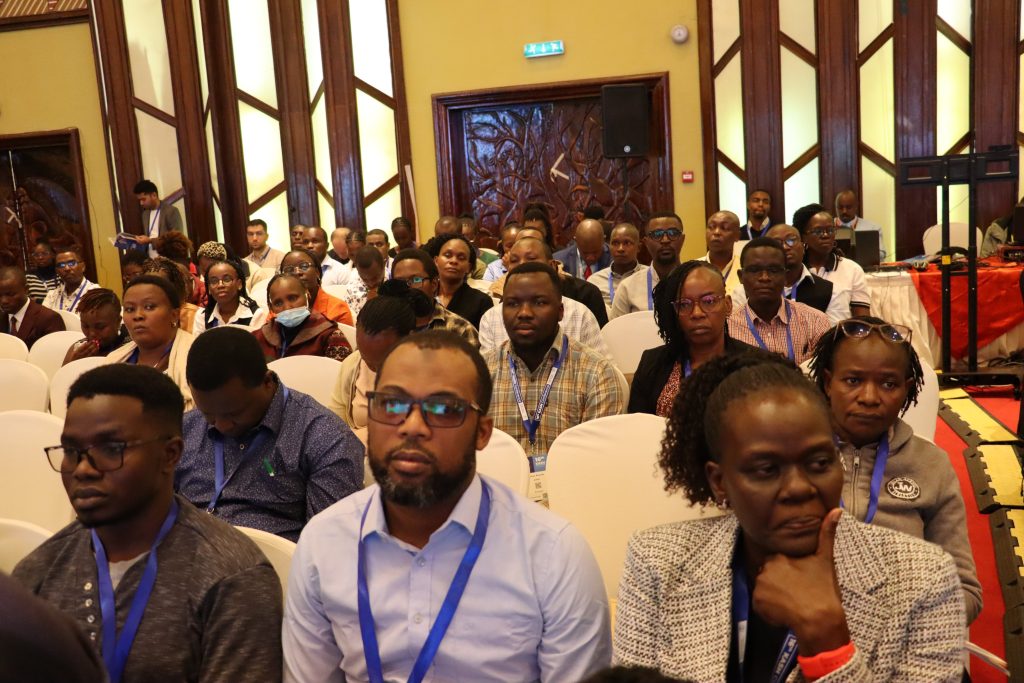
The presentation sparked robust discussions among scientists, policymakers, and health stakeholders at the conference, reinforcing the importance of research collaboration in accelerating Kenya’s malaria elimination agenda.
As Kenya continues to push toward malaria control and eventual elimination, experts say integrating molecular surveillance with complementary interventions like Ivermectin could redefine the country’s public health strategy and strengthen resilience against evolving malaria threats.